
How long does concrete take to cure? Most mixes reach design strength at 28 days, but the clock starts when water meets cement mix. That reaction creates calcium silicate hydrate gel, the load-bearing binder.
Under ideal moist curing, concrete hits about 74% of its 28-day strength by day seven, according to Structure magazine. Heat can undo that progress. Auburn University research found 24 hours of initial curing at 100°F cut 28-day strength by up to 19% for Type I cement.
Do you want to know how to keep the surface moist and the temperature steady to avoid this strength reduction? This guide covers cure stages, methods, weather limits, and code rules. Let’s get started.
What Is the Difference Between Setting, Drying, and Curing of Concrete?
Setting, drying & curing of concrete are three separate events. Mixing them up leads to early loading and cracked slabs. Each event runs on its own clock.
Homeowners often search “how long does it take for concrete to cure” and expect one number. Contractors need three numbers, one for each event.
Setting: The Mix Stops Flowing
Setting is the stage where fresh concrete stiffens from workable to rigid. It comes before hardening and is not the same as curing. ASTM C403 measures it by penetration resistance. The initial set happens at 500 psi and the final set at 4,000 psi. Most mixes reach the final set within 4 to 10 hours.
Drying: Water Leaves the Surface
Drying is plain evaporation. It lightens the color and shrinks the surface. A slab can look pale after two days while its core still builds strength. Dry-looking concrete is not strong concrete.
Curing: Water Stays In to Build Strength
Curing keeps moisture and temperature steady so hydration continues. Hydration is the chemical reaction between cement and water. It needs water for weeks. That is why people ask: how long does it take for concrete to fully cure & why the answer depends on moisture, not on surface color.
How Much Water Does Hydration Need & Where Does the Heat Go?
Hydration needs a water-cement ratio near 0.42 to finish in a sealed system. About 23% of the cement weight binds chemically. Another 19% or so fills the tiny pores in the gel. Mixes below that ratio cannot hydrate fully without extra water.
Water Ratio Decides How Much Cement Reacts
Driveway mixes often run at 0.45 to 0.50, so some free water stays in the pores. Mixes under 0.40 use up their water and shrink from the inside. Engineers call this autogenous shrinkage. Low water-cement mixes bleed very little, so they dry out fast. Start wet curing as soon as finishing ends.
Heat of Hydration Warms the Slab
Hydration is exothermic. It releases heat during the first days. A thin slab loses that heat fast. A thick footing or mat traps it and speeds the reaction. Big temperature gaps between core and surface cause cracks, so thick pours need insulation.
Bleed Water Guards the Surface Until It Runs Out
After placement, heavy solids settle and push water upward. That bleed water keeps the surface wet for a while. When evaporation beats bleeding, the surface dries and cracks. Crews watch the sheen. When the sheen fades, curing must start.
What Does the Concrete Timeline Look Like, Stage by Stage?
Concrete moves through seven stages in 28 days. Strength climbs fast in week one and slower after that.
The most common question is how long does it take for concrete to cure at 70°F with Type I cement? The table shows typical values. Lab results shift with mix design and curing quality.
| Stage | Typical Time | Approx. Strength | What You Can Do |
| Initial set | 2–4 hours | Under 5% | Finish and edge the surface |
| Final set | 4–10 hours | About 10% | Start curing; keep people off |
| First walk | 24–48 hours | 15–25% | Allow light foot traffic |
| Early strength | 3 days | About 40% | End curing on Type III mixes |
| Standard cure | 7 days | 65–70% | End curing on Type I mixes; allow cars on driveways |
| Strong cure | 14 days | About 90% | Allow light equipment |
| Design strength | 28 days | 100% | Apply sealers, paint & heavy loads |
ACI 308.1 calls for at least 7 days of curing, or until the concrete reaches 70% of its specified strength. For a 4,000 psi mix, that target is 2,800 psi. Type III cement and accelerators can cut the minimum to 3 days. Fly ash and slag blends often need 10 to 14 days.
Why Does Concrete Need 28 Days to Reach Full Strength?
Concrete needs 28 days because cement compounds react at different speeds. Tricalcium aluminate (C3A) reacts in minutes and drives early. Tricalcium silicate (C3S) builds early strength. Dicalcium silicate (C2S) reacts slowly and adds strength for weeks.
Engineers chose 28 days as the standard test age. ASTM C31 governs how crews make and cure test cylinders. ASTM C39 governs how labs break them. The 28-day break then becomes the pass-or-fail number on most jobs.
So how long does concrete take to cure in the field? Expect about 70% strength in a week and 90% in two weeks. Near-full design strength arrives at 28 days. Strength keeps rising slowly after that if moisture stays available. Mixes with fly ash or slag often gain noticeable strength after 28 days, which is why some specs test at 56 or 90 days.
NIST’s report Curing of High-Performance Concrete (NISTIR 6295) reviews self-desiccation and maturity. Low water-cement mixes use up their internal water as they harden. Surface water struggles to refill it, so these mixes need curing that starts early.
Crews can estimate in-place strength with the maturity method in ASTM C1074. Sensors in the concrete log its temperature over time. Software converts that record into a strength estimate based on lab tests of the same mix. That beats guessing from the calendar.
Which Factors Change How Fast Concrete Cures?
How long does it take concrete to cure? There is no single answer. Several site conditions can speed the process up or slow it down by days. Understanding them before you set a schedule helps you avoid delays and weak concrete.
Temperature
Heat speeds hydration. Cold slows it. A rise of about 18°F roughly doubles the reaction rate in lab models. Near 40°F, strength gain drops sharply. ACI 306R treats air at or below 40°F as cold weather.
Moisture and Humidity
Hydration slows sharply when internal humidity falls below about 80%. Dry air, dry subgrade, and thin slabs all pull humidity down. Crews dampen the subgrade before the pour. Some jobs add a vapor barrier that meets ASTM E1745. Hot, dry wind can drop surface humidity within minutes, so check conditions on the slab, not only the forecast.
Mix Design
Cement type, water-cement ratio & admixtures set the pace. Type III cement gains strength fastest. Fly ash and slag gain strength slowly in week one. Low water-cement mixes reach higher strength but need better moisture protection. Air-entrained mixes for freeze-thaw exposure also need full curing, because weak paste fails first under frost.
Wind and Sun
Wind, sun, low humidity & hot concrete raise the evaporation rate. ACI 305R and 308R flag 0.2 lb/ft²/hr as the plastic shrinkage risk line. A PennDOT-sponsored study (FHWA-PA-2012-006) found one bridge deck surface sat exposed for 30 to 40 minutes after finishing, with no intermediate curing agent.
Thickness and Site Conditions
A 4-inch driveway slab loses water fast. It has a large surface and little mass. A thick footing holds heat and moisture longer. Shade, forms & subgrade temperature also shift the pace. A 12-inch wall in steel forms holds its moisture. A 4-inch slab open to the sky loses it fast. Thin, exposed sections need the most attention.
How Do You Cure Concrete Properly for Better Strength?
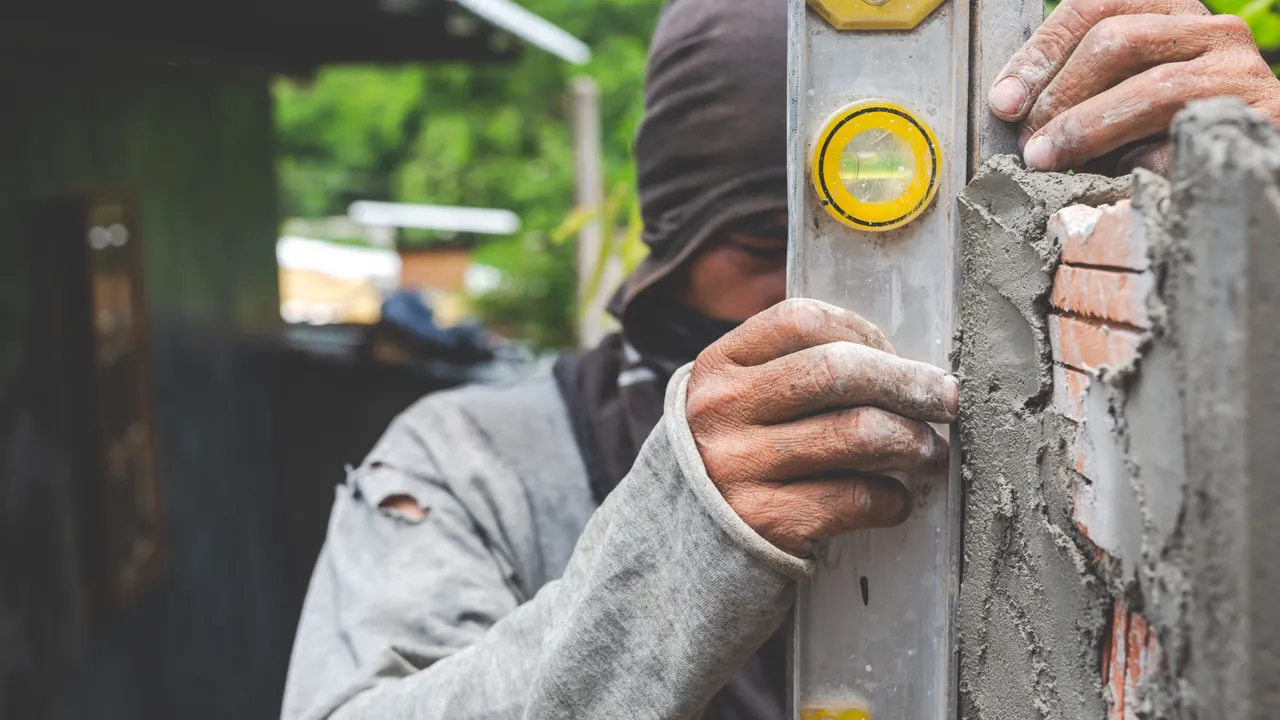
Start curing as soon as finishing ends. Then keep the surface moist for at least 7 days. Skipping either step cuts strength and durability.
A schedule starts with one question: how long does it take to cure concrete with the method on hand? The table compares the five common methods.
| Method | How It Works | Best For | Watch For |
| Ponding or fogging | Keeps a water film on the surface | Flat slabs, hot weather | Runoff and cold water shock |
| Wet burlap or mats | Holds water against the surface | Slabs, walls, columns | Dry mats pull water out |
| Polyethylene sheeting | Traps moisture under film | Driveways, patios | Loose edges and dark film in summer |
| Curing compound | Sprays on a sealing membrane | Large slabs, pavements | Missed spots and VOC limits |
| Insulated blankets | Hold heat and moisture | Cold weather | Wet subgrade and frozen edges |
Start at the Right Time
Begin when bleed water leaves the surface and finish ends. Start sooner in wind or heat. Spray an evaporation retarder between finishing passes. The Kansas study above lists delayed wet curing as a top cause of cracking.
Water Curing: Ponding, Fogging & Sprinkling
Water curing gives the highest moisture level. Keep the surface wet at all times. Wet-dry cycles cause cracks. Use clean water that meets ASTM C1602. Keep it within 20°F of the slab temperature to avoid thermal shock.
Wet Coverings Hold Water on the Surface
Burlap and cotton mats keep water against flat and vertical faces. Soak them first. Keep them wet all day. Overlap seams by 6 inches. A dry mat pulls water out of the concrete, so check it often.
Plastic Sheeting Locks Moisture In
White polyethylene film must be at least 4 mil thick to meet ASTM C171. Laid over fresh concrete, it traps moisture so the slab keeps curing. Lay it flat on damp concrete. Overlap seams 6 inches and weigh down the edges. Use white film in summer. Dark film absorbs heat.
Curing Compounds Seal the Surface
ASTM C309 compounds form a thin membrane. Spray at 150 to 200 sq ft per gallon once bleed water fades. Check local VOC limits, such as California’s SCAQMD rules. ASTM C1315 products cure and seal in one pass.
How Long Should Each Method Stay in Place?
Plan on 7 days as the floor for standard mixes. Bridge decks often need more. The PennDOT specification in the study above required 14 days of wet burlap. Oregon DOT used 14 days before its move toward 7 days on internally cured decks. Longer curing costs labor, so match the period to the mix and the exposure.
How Do You Run a 7-Day Curing Plan, Step by Step?
A good plan names a task for every stage. Use this checklist for a standard slab at 50–80°F.
- Before the truck arrives, check the forecast, subgrade moisture & mix temperature.
- During finishing, spray an evaporation retarder whenever the surface dries between passes.
- Right after finishing, start moist curing or spray the curing compound.
- Within 4 to 12 hours, saw-cut control joints to one-quarter of the slab depth.
- On day 1, keep everyone off the slab and check mats or film every few hours.
- On day 2, remove edge forms with care and cover the exposed edges.
- On days 3 to 6, keep coverings wet and patch any tears in the film.
- On day 7, end curing if the spec allows, and lift coverings slowly.
- From day 8 to 28, keep heavy loads and sharp turns off the slab.
- On day 28, apply sealer, paint, or stain after reading the product sheet.
When Can You Walk or Drive on New Concrete?
Light foot traffic works after 24 to 48 hours. Cars can drive on a slab after about 7 days. Heavy trucks need 28 days.
Homeowners often ask how long does it take a concrete driveway to cure. A 4-inch driveway at 70°F takes about 7 days for cars and 28 days for full strength. The table lists safe waiting times.
| Load or Activity | Typical Wait at 70°F | Reason |
| Light foot traffic | 24–48 hours | Surface resists marks |
| Wheelbarrows and light tools | 3–4 days | Strength near 40% |
| Passenger cars | 7 days | Strength near 70% |
| Pickups and SUVs | 7–14 days | Edges need more strength |
| Delivery trucks and heavy equipment | 28 days | Full design strength |
| Sealers, paint & stain | 28 days | Surface must finish drying |
The search for how long does it take for concrete driveway to cure usually means “when can I park here?” Use the 7-day mark only in mild weather. Cold, shade, or a wet week adds days. A 3,500 psi driveway mix needs more patience than a 4,500 psi mix.
Ready to Get an Accurate Concrete Takeoff & Estimate?
Request your accurate concrete takeoff and estimate from the Smart Constructs team today.
How Much Does Hot and Cold Weather Change the Curing Time?
Hot weather speeds early set but invites cracks. Cold weather slows strength gain and risks freezing damage. Both need a plan before the pour.
| Condition | Air Temperature | Effect on Timeline | Field Response |
| Hot | 90°F and above | Faster set, fast drying | Fog, shade, evaporation retarder |
| Mild | 50–80°F | Standard timeline | Standard moist curing |
| Cool | 40–50°F | Strength gain slows | Blankets, longer curing |
| Cold | 40°F and below | Strength gain stalls | Heated enclosures, insulation |
Concrete Curing in Hot Weather
ACI 305R covers hot weather work. Heat shortens set time and raises the evaporation rate. In summer, concrete cure time can drop, but the cracking risk rises. Pour early, shade the slab & cool the mix water. Chilled water or ice can replace part of the batch water. Fogging cools the air above the slab. White covers reflect the sun. Avoid spraying cold water on a hot slab, because the sudden drop can crack the surface.
Concrete Curing in Cold Weather
ACI 306R says to protect fresh concrete from freezing until it reaches 500 psi. Use insulated blankets or heated enclosures. Never pour on frozen ground. Vent any gas heater outdoors, because exhaust gases soften the fresh surface. Accelerators speed set but never replace protection. Remove blankets slowly so cold air does not shock the surface. In winter, concrete cure time gets doubled, so plan extra days.
Why Weather Changes the Timeline
Hydration is a chemical reaction. Heat speeds it. Cold slows it. The maturity method in ASTM C1074 tracks concrete temperature over time to estimate strength. Crews get a data-based number instead of relying on the calendar. Even one cold night in a mild week can slow strength gain, and the sensors will show it. Logs show that stall before it becomes a failed test.
How Can You Tell When Concrete Is Strong Enough for Loads?
Calendar age gives a guess. Tests give proof. Pick the test before the pour, not after, because many specs tie form removal and load release to a strength number.
- Standard-cured cylinders (ASTM C31 and C39) show the mix’s potential strength, not the slab’s real strength.
- Field-cured cylinders sit beside the slab and share its weather, so they show real progress.
- The maturity method (ASTM C1074) converts logged temperature into estimated in-place strength.
- Rebound hammers (ASTM C805) check surface hardness fast but need calibration against strength tests.
- Penetration probes (ASTM C803) measure how far a driven pin sinks into hardened concrete.
- Pullout tests (ASTM C900) measure the force needed to extract an embedded insert.
- Drilled cores (ASTM C42) confirm strength when other results disagree.
- Embedded temperature sensors show whether the slab stayed above the project minimum.
What Happens If Concrete Does Not Cure Properly?
Poorly cured concrete stays weak at the surface, cracks early & wears out fast.
- Plastic shrinkage cracks form while the surface is still soft.
- Dusting leaves a powdery surface that sheds under foot traffic.
- Scaling peels flakes after freeze-thaw cycles and deicing salts.
- Crazing makes a web of fine surface cracks.
- Compressive strength falls below the specified f’c.
- Permeability rises, so water and chlorides enter.
- Rebar corrodes earlier.
- Slab edges curl and warp from moisture gradients.
- Color turns blotchy from uneven drying.
- Coatings, sealers & flooring bond poorly.
Field data backs this up. The Oregon DOT surveyed 11 bridge decks and found internally cured decks showed significantly less shrinkage cracking. The agency now aims to cut wet curing on those decks from 14 days to 7.
Results depend on the mix. A Virginia Transportation Research Council study of outdoor slabs found that moist curing beyond 1 to 3 days did not change strength, conductivity, or sorptivity much for the mixes it tested. Treat that as mix-specific and follow the project spec.
What Common Mistakes Slow or Damage Concrete Curing?
Five mistakes cause most curing failures. Each one is easy to prevent.
Treating Dry Concrete as Cured
A dry surface says nothing about internal strength. Crews that open a slab because it looks pale risk edge breaks and surface scars. Don’t judge strength by how the surface looks. Concrete changes color as it dries, but that says little about how strong it is. Strength keeps building for weeks. Go by the number of days since placement, strength tests, or maturity data.
Adding Water to the Surface
Finishers sometimes spray water to ease troweling. That raises the water-cement ratio at the top. The surface turns weak, dusty & prone to scaling. Use an evaporation retarder instead. It slows surface drying without changing the mix.
Leaving Fresh Concrete in Extreme Weather
Wind, sun, frost & rain all damage fresh concrete. Rain washes cement from the surface. Frost stops hydration. Cover the slab, shield it from wind & track the forecast for 72 hours.
Loading the Slab Too Early
Heavy loads crush weak edges and crack young concrete. The PennDOT-sponsored study above recorded a bridge deck cured for 7 days against a 14-day specification. Wait for the spec or a strength test. Edges, corners & joints carry the highest stress, so they fail first.
Sealing, Painting, or Staining Too Soon
Trapped moisture blister coatings. Owners also ask how long does it take for concrete driveway to cure before sealing. Many sealer labels say 28 days. Follow the product data sheet. Moisture still leaving the slab can lift sealers & high alkalinity can fade stains.
What Do ACI, ASTM, and Local Codes Require for Curing?
ACI sets curing practice, ASTM sets material and test standards, and the local building department enforces the code. Most places issue no separate curing permit. Inspectors check curing under the concrete permit.
- ACI 308R & 308.1 cover curing methods and minimum durations.
- ACI 301 & ACI 318 govern structural concrete and loading limits.
- ACI 305R & 306R cover hot and cold weather work.
- ASTM C309 & C1315 cover liquid curing compounds.
- ASTM C171 covers sheet materials, including 4 mil white film.
- ASTM C31 & C39 cover making, curing & breaking test cylinders.
- Submit the mix design and curing plan to the engineer before the pour.
- Book special inspections required under the International Building Code.
- Check local VOC limits on curing compounds under Clean Air Act rules.
- Contain curing water and compound runoff under local storm water (SWPPP) rules.
Cold-water shock and dry subgrades also appear in field audits. ACI guidance limits the gap between curing water and slab temperature to about 20°F. A dry subgrade can pull water from the slab bottom, so inspectors often ask for pre-wetting or a vapor barrier. Keep written logs of start time, method & end date. Those records protect the contractor if a strength test fails later.
How Do Estimators Plan Curing Materials and Costs?
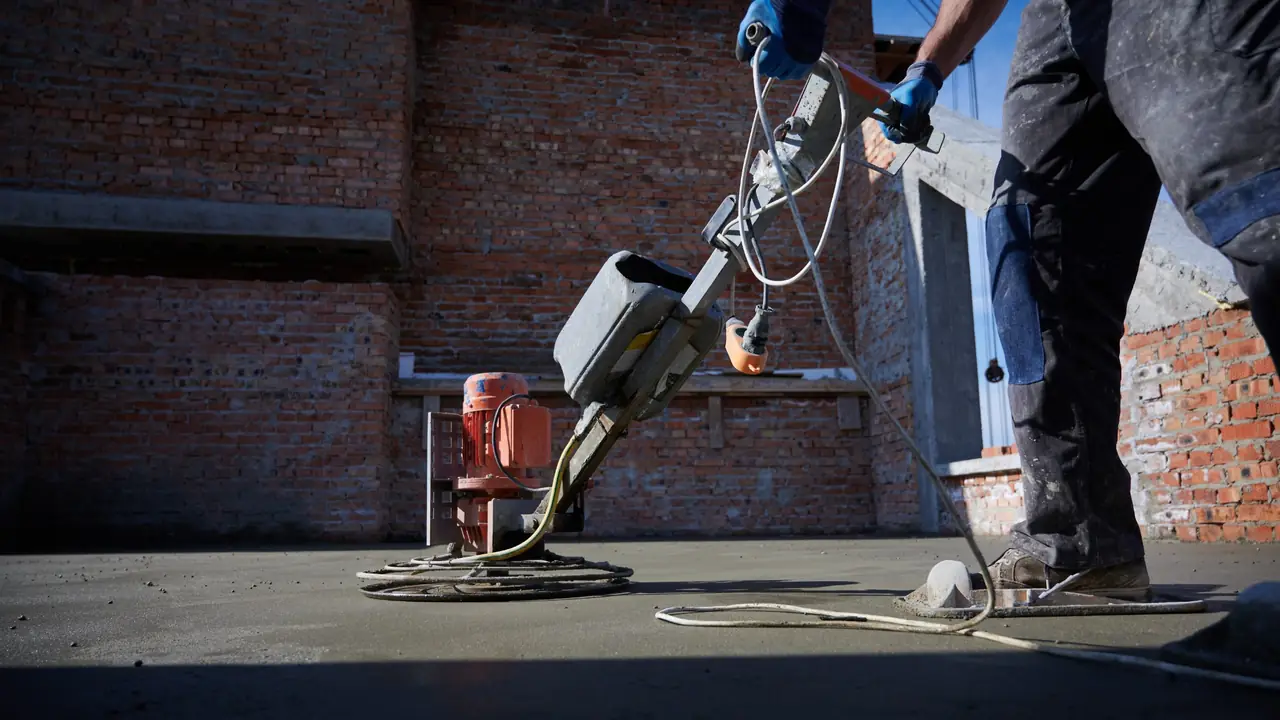
Estimators add 5% to 15% to curing material quantities to cover overlap, tears & spills. Curing also adds labor days and schedule holds.
Take a 20 × 24 ft driveway, 4 inches thick. That is 480 sq ft and about 5.9 cubic yards of concrete. Ordering 8% extra gives 6.4 yards. Curing compounds at 150 to 200 sq ft per gallon needs 2.4 to 3.2 gallons. With 10% waste, buy 3 to 4 gallons.
| Material | Coverage or Rule | Typical Waste Allowance |
| Ready-mix concrete | 1 cubic yard per 81 sq ft at 4 in | 5–10% |
| Liquid curing compound | 150–200 sq ft per gallon | 10% |
| Polyethylene sheeting | 6 in seam overlap | 10–15% |
| Burlap or cotton mats | Full surface plus edges | 10% |
| Insulated blankets | Full surface plus 12 in edge lap | 5–10% |
| Evaporation retarder | Per product label, per pass | 10% |
| Edge forms and stakes | Perimeter length | 5% |
Allowances are common estimating practice, not code values. Adjust them for crew skill, wind, and slab shape.
Curing also moves the schedule. A 7-day hold on a driveway delays fence, landscape & vehicle access. A 14-day hold on a bridge deck delays paving and striping. Each hold day has a cost: rented barricades, idle crews, and extended general conditions. Price those days at the start, and the bid stays accurate when the weather turns.
Clients who type “how long does it take for concrete to cure” want a date. Estimators need that date plus a quantity. The Smart Constructs team builds curing days, materials & weather holds into every concrete estimate. Accurate concrete takeoffs and slab-on-grade estimates help you order the right volume and keep crews busy. Broader estimating also builds curing time into the project schedule.
Cure It Right, Price It Right & Request Your Estimate
Concrete reaches design strength in 28 days when crews keep it moist and steady. Setting takes hours, walking takes two days & driving takes about a week. Weather, mix design, and thickness shift each day. Wet curing, covers & compounds protect the surface. Late curing, extra surface water & early loading cause the damage.
Smart Constructs company helps contractors price curing materials, labor & schedule holds before the pour, so budgets hold and slabs last. Better curing plans cut rework, avoid tear-outs, and keep crews on schedule.
Request your accurate concrete takeoff and estimate today.
Ready to Get an Accurate Concrete Takeoff & Estimate
Request your accurate concrete takeoff and estimate from the Smart Constructs team today.
What Do People Ask About Concrete Curing?
How long does it take for concrete to cure?
Concrete sets in hours and can handle light foot traffic in two days. Concrete reaches about 70% of its design strength in seven days. It hits full design strength at 28 days when it is kept moist and at a mild temperature.
How long does it take for concrete to fully cure?
Full cure takes about 28 days for most mixes. Fly ash or slag mixes may need 10 to 14 days of moist curing. They keep gaining strength after that.
How long does it take a concrete driveway to cure?
A driveway handles foot traffic in 24 to 48 hours, cars in about 7 days & heavy loads at 28 days. Cold or dry weather adds extra days.
Can rain damage fresh concrete?
Yes. Heavy rain adds water and weakens the top layer. Cover the slab with plastic before rain starts. Light rain after the final set is usually safe for the surface.
Does concrete cure faster in hot weather?
Concrete gains early strength faster in heat. But the surface dries fast and cracks. Keep it moist, shade it, and start curing sooner when the air is hot.
