Pollution Control Equipment Estimating Services Built on NFPA 86 and ASME Rules
Baghouses, scrubbers, and oxidizers must meet permit limits before any bid goes out. Our pollution control equipment estimating services size every unit based on PTE, air-to-cloth ratio, and pressure drop. You get priced scopes that match BACT, MACT, and NFPA rules.
NFPA 86, ASME BPVC, and ASCE 7
Code Compliant
98%
Accuracy Rate
14+
Years of Expertise
24-48 Hrs
Turnaround Time
How Does Correct Sizing Keep Your Project On Budget?
Sound pollution control equipment estimating services stop sizing errors early. Estimators convert scfm to acfm correctly, so fans, ducts, and steel stay right. That protects your budget, permit schedule, and change orders from costly surprises.
- Correct air-to-cloth ratio for baghouses
- Accurate pressure drop for fan sizing
- Right alloy choice for corrosive streams
- Permit-matched controls for BACT and MACT
- Explosion protection priced under NFPA 652

Our Services
Which Pollution Control Equipment Estimating Services Do We Offer?
Pick from these six core services built for industrial air projects.
Industrial Estimating
We price baghouses, scrubbers, and RTOs from process data, including fans, ductwork, steel, and instruments.
Construction Takeoff
Our pollution control equipment takeoff services count plates, ductwork, hoppers, supports, and piping from drawings with clear quantities.
Mechanical Drafting
Detailed layouts show fan placement, duct runs, and clearances so pricing matches what crews actually build.
MEP Drafting
Drafters draw electrical and piping drops early, including transformers, VFDs, and gas lines for oxidizers.
Construction Cost Estimating
Capital and operating costs sit side by side, covering reagents, power, and filter bags over a ten-year period.
Shop Drawing
Our team checks fabrication drawings against specs and catches gaps in welds, flanges, and materials before steel is cut.
Who Does Smart Construct Company Support With Pollution Control Project Estimates?
Air permits push many teams to quickly price control equipment. These groups most often use our estimates, prepared by the Smart Constructs estimators.
General Contractors
Contractors need firm equipment and installation numbers to bid plant air quality upgrades with confidence.
Plant Owners
Owners get budget numbers for permit deadlines, consent decrees, and capital plans before design ends.
Environmental Engineers
Engineers receive priced options for BACT and MACT reviews, so control choices fit project budgets.
Equipment Manufacturers
Fabricators use our takeoffs to check bids, material lists, and freight against current steel pricing.
Project Types
Which Industrial Sectors Do Our Estimates Cover Under Air Permits?
Each sector brings different dust, gas, and permitting demands, and estimates reflect those differences early on.

Power and Utilities
Coal ash, SCR systems, and wet scrubbers need heavy fans, large ducts, and strict monitoring.

Cement and Minerals
Kilns and mills create fine dust that demands baghouses with high-temperature bags and explosion protection.
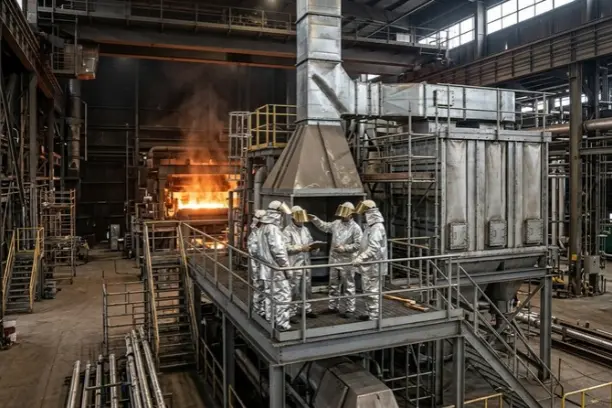
Chemical and Food Plants
Solvent vapors and combustible dust call for RTOs, thermal oxidizers, and vented collectors under NFPA.

Metals and Foundries
Furnace fumes and metal dust require high-capture hoods, spark control, and correctly sized fabric filters.
Project Deliverables
What Do You Receive With Every Pollution Control Estimate Package?
Every package arrives in clear formats that your purchasing and engineering teams can use immediately.
Equipment Sizing Sheet
Lists SCFM, ACFM, air-to-cloth ratio, and pressure drop for each baghouse, scrubber, and RTO unit.
Material Takeoff List
Plate, structural steel, hoppers, ductwork, and insulation appear by weight, grade, and current unit price.
Material Grade Schedule
Specs list ASTM A240 stainless grades, Alloy C-276, and linings matched to acid gas conditions.
Fan and Motor Schedule
ID fan horsepower, VFD needs, and motor loads reflect elevation, temperature, and system pressure drop.
Electrical and I&E Scope
Transformer-rectifier sets, 4160V switchgear, CPMS, and CEMS appear as separate priced lines with vendor quotes.
Explosion Protection Package
Vents, isolation valves, and suppression systems follow NFPA 652 and 654 for combustible dust collectors.
Installation Labor Estimate
Crane lifts, rigging, welding, and field erection hours use local union or merit-shop labor rates.
Operating Cost Forecast
Annual power, reagent, filter bag, and wastewater costs show the lifetime ownership cost alongside the capital price.
Permit Alignment Notes
Each line ties to PTE limits, BACT or MACT targets, and Title V monitoring needs.
How Does Our Estimating Process Move From Data to Bid?
Our pollution control equipment estimating services follow four clear steps and deliver within 48 hours.
Collect Process Data
Gather flow rates, temperatures, pollutant loads, permit limits, and plant drawings before beginning any sizing.
Size and Select Equipment
Estimators calculate airflow, efficiency, and pressure drop, then select devices that meet your permit targets.
Count and Price Every Line
Estimators count steel, duct, and wiring, then price the lines using vendor quotes and local labor rates.
Review and Deliver
A senior engineer checks numbers against codes, then sends the full package within 48 hours.

Which Codes and Permit Rules Shape Every Estimate in the USA?
Every project complies with federal and local air quality regulations. Our pollution control equipment estimating services price units to match Title V, NSR, PSD, and state synthetic minor permits. Smart Constructs estimators check EPA AP-42 factors, RBLC cases, and nonattainment status first. South Coast AQMD and TCEQ often demand tighter limits than federal rules. Pressure vessels follow ASME BPVC. Oxidizers follow NFPA 86. Dust collectors follow NFPA 652 and 654. Wet scrubbers that discharge blowdown also need NPDES or POTW approval before plant startup.
Requirements vary by jurisdiction, project type, occupancy, design, and adopted local amendments. The final responsibility for code compliance, design approval, permitting, and professional certification remains with the appropriate licensed design professional, contractor, authority having jurisdiction, or project stakeholder.
Clean Air Act
Section 112 MACT rules and Section 111 standards set minimum control levels for industrial sources.
NFPA 86
Burner management, purge cycles, and explosion relief define safety scope for thermal and regenerative oxidizers.
NFPA Dust Standards
Combustible dust triggers vents, isolation valves, and suppression. Each item adds cost to collector pricing.
ASME BPVC
Pressure vessels and shell-and-tube heat exchangers need code stamps, thicker shells, and added inspection hours.
ASCE 7 Loads
Seismic categories and wind speeds change foundations, steel supports, and housing thickness on large units.
Air Permits
Title V, NSR, and PSD permits set limits, while CEMS and CPMS drive instrument costs.
Which CSI MasterFormat Divisions Appear in Every Estimate Package?
Line items follow CSI MasterFormat, so bids compare cleanly across vendors, trades, and review teams.
- Division 01: General Requirements
- Division 02: Existing Conditions
- Division 07: Thermal and Moisture Protection
- Division 13: Special Construction
- Division 21: Fire Suppression
- Division 23: Heating, Ventilating & Air Conditioning
- Division 31: Earthwork
- Division 33: Utilities
- Division 40: Process Integration
- Division 43: Process Gas and Liquid Handling
- Division 44: Pollution & Waste Control Equipment
Case Study: How Did a Houston Cement Plant Cut Bid Risk?
Project: A cement plant near Houston planned a new 420,000 acfm baghouse and SCR unit for its kiln line. The job sat in an ozone nonattainment area, so limits were strict.
Issue: The owner faced a fixed TCEQ permit deadline and three vendor bids that differed by 28 percent. Nobody could explain the gap. Bids also skipped dust explosion protection.
Solution: As a pollution control equipment estimating company, we rebuilt the scope line by line. We corrected fan sizing, added NFPA 652 explosion vents, and priced Gulf Coast labor correctly. Estimators also checked ambient heat and the needs of 4160V switchgear.
Results: The corrected estimate came in 14 percent below the highest bid. The team delivered it in 36 hours. The owner met the permit deadline and avoided $210,000 in change orders. Annual operating costs dropped by 9 percent due to better fan selection.
Which Estimating Software and Tools Does Our Team Use Daily?


Why Does Outsourcing Your Estimates Cut Cost and Save Time?
Plants and contractors save by hiring pollution control equipment estimating companies for peak loads. You get faster quotes, fewer costly errors, and expert code checks.
- No full-time staffing costs
- Quotes ready within 10-15 minutes
- Current vendor pricing built in
- Fewer change orders after award
- Senior code review on every job

What Built-In Checks Make Our Estimates Stand Out?
Our pollution control equipment estimating services include these built-in checks on every project we price.
- SCFM to ACFM correction
- Fan horsepower validation
- Title V monitoring costs
- Elevation air density correction
- Air-to-cloth ratio check
- Alloy selection review
- Local labor rate adjustment
- Utility tie-in pricing
- Pressure drop verification
- NFPA explosion scope check
- Seismic and wind loads
- Reagent and wastewater costs
What Do Local Clients Say About Our Estimating Work?
Daniel Brooks
Plant Engineering Manager
The baghouse estimate matched our final vendor price within just 3 percent. Their team caught a missing explosion vent and saved us about $48,000 before we placed any equipment orders.
Melissa Carter
Operations Director
I needed an RTO budget in two days for a board meeting. They sent a full takeoff in 40 hours, and our final cost landed 5 percent under the estimate.
Robert Nguyen
Environmental Compliance Lead
- Their wet scrubber pricing included caustic costs and sewer surcharges that other bids missed. That detail helped us avoid a $32,000 budget gap and approve the project in one meeting.
Send Your Project Data and Get Your Estimate Today
Request pollution control equipment estimating services today and receive a code-checked price within 48 hours.
Explore Our Quick Answer Book
What data do you need to start an estimate?
Send flow rates, temperatures, pollutant loads, permit limits, and plant drawings. Missing data is fine. Estimators flag gaps, use EPA AP-42 factors, and state every assumption clearly in the package.
How fast do you deliver estimates?
Most projects finish in 24 to 48 hours. Large multi-unit plants with complex permits may need a few more days. You receive a firm date after the first data review.
Do your estimates cover explosion protection and monitoring?
Yes. Dust collectors include vents, isolation valves, and suppression under NFPA 652 and 654. Title V sources also receive CEMS or CPMS pricing, since monitoring changes instrument and electrical costs.
Can you adjust estimates for local conditions?
Yes. Pricing reflects local labor rates, elevation, seismic category, wind speed, utility tie-in costs, and air district rules, such as South Coast AQMD or TCEQ limits, for each project site.