
Homeowners searching for a bathroom remodel cost breakdown are usually met with the same vague answer it depends. It is literally so but not very useful when attempting to make a real-world budget before contracting a contractor. This guide substitutes the conjecture with real 2026 pricing information that has been categorized in terms of square footage, the level of finish and the area so that you will be certain of what to anticipate before the demolition date.
Why Bathroom Remodel Costs Are Shifting in 2026
Each year of renovation comes with its own price pressures and this year is not any different. And, even if you calculated a remodel a year and a half ago, you can no longer rely on that figure.
The material costs have been almost stabilized following a number of fluctuating years, whereas the labor rates have been increasing. Experienced plumbers and electricians are still in short supply in the majority of metro areas and that is why their hourly charges are increasing at an even higher rate than the overall inflation. That work squeeze is the largest factor that causes quotes to be higher than they were two years ago.
Many jurisdictions have also tightened their permit restrictions. New ventilation and moisture-control standards, particularly in curbless showers and heated floors, can quietly cost the project over a thousand dollars or a few more. Failure to do this by a homeowner as a part of his budget is the same homeowner who spends money out by week four.
Simultaneously, design trends that are prompting 2026 remodels, walk-in showers, floating vanities, warm, natural colors and built-in smart technologies are more likely to be expensive compared to the boxy, builder-grade bathrooms they are replacing. Desiring a better bathroom and having a better price tag are synonymous.
Average Bathroom Remodel Cost in 2026: The Quick Numbers
The following number is the one most people are likely to be interested in before entering into size and finish breakdowns.
The average bathroom remodel cost in 2026 ranges from $12000 to $25000 for a typical full bathroom, with the average cost in the United States at $17500. This number assumes no change in the plumbing arrangement and that the finishes are at the middle end of the scale. Come out of that box either left or right and the figure changes quickly.
| Project Type | Typical Cost Range | Typical Timeline |
|---|---|---|
| Powder room / half bath refresh | $2,500 – $7,000 | 1–2 weeks |
| Small full bathroom (35–50 sq ft) | $6,500 – $14,000 | 2–4 weeks |
| Standard full bathroom (50–70 sq ft) | $13,000 – $25,000 | 3–5 weeks |
| Master / primary bathroom (80–150+ sq ft) | $20,000 – $50,000+ | 5–8 weeks |
| Luxury down-to-the-studs remodel | $55,000 – $150,000+ | 8–14 weeks |
These ranges do not make any structural surprises. One out of every three homeowners says they have overshot the budget and the most common reasons are nearly always the same: unnoticed water leakage, old wiring that needs to be replaced to code or a change of plans in the middle of the project to relocate a fitting.
Cost Per Square Foot: The Number Contractors Actually Use
The square footage pricing could mislead individuals since it does not scale as people would have expected it to. It does not cost twice as much to have a bathroom twice the size and this fact surprises many homeowners.
The same fixed costs such as demolition, plumbing rough-in, waterproofing and permits, remain approximately the same regardless of the size of your bathroom whether it is 25 square feet or 60. That is why a small bathroom remodel of the bath may end up being more expensive per square foot than a larger remodel; the fixed costs simply get divided over a smaller area.
| Finish Level | Cost Per Square Foot | Best For |
|---|---|---|
| Budget / cosmetic refresh | $80 – $150 | Paint, fixtures, minor updates |
| Mid-range remodel | $180 – $300 | Most full renovations |
| High-end / luxury | $350 – $550+ | Custom tile, freestanding tubs, smart fixtures |
Quick sanity checking a quote: multiply the square feet of your bathroom by the range above that should be used. When the number of a contractor falls way out of that band, it may be a good question to ask why, either they are underestimating or they are padding the estimate. And that is precisely the type of loophole that the Smart Constructs Estimators are conditioned to detect before a bid even finds its way to your inbox.
Bathroom Remodel Cost by Size
Your budget is most influenced by size, which is the biggest lever in your budget more than most finishes. The numbers are indeed split up like this.
Small Bathrooms Under 40 Square Feet
Don’t assume that cheap is small. Toilets, sinks, tile, lighting and ventilation, all of which have a fixed cost, are needed in any size bathroom even a powder or small guest bathroom but are crammed into a smaller space. A complete remodel costs between $6,000 and $14,000 or even less; a cosmetic refresh costs between $2,500 and $3000 (paint, vanity change, new fixtures, no plumbing relocation).
Mid-Size Bathrooms (40–70 Square Feet)
This is the middle ground that most hall bathrooms and guest baths are in and this is where the $13,000-$25,000 national range is obtained. Most of the time at this size, there is adequate room to fit a tub-shower combo, one vanity and reasonable storage before it causes a complete overhaul of the layout.
Large and Master Bathrooms (80+ Square Feet)
Larger bathrooms suggest more tile, more fixtures and most often plumbing that needs to be rearranged to accommodate a double vanity or a separate soaking tub. Budget $20000 to $50000+ and luxury primary suites have no problem clearing $80000 with the introduction of custom showers, heated floors and designer fixtures.
Bathroom Remodel Cost by Finish Level
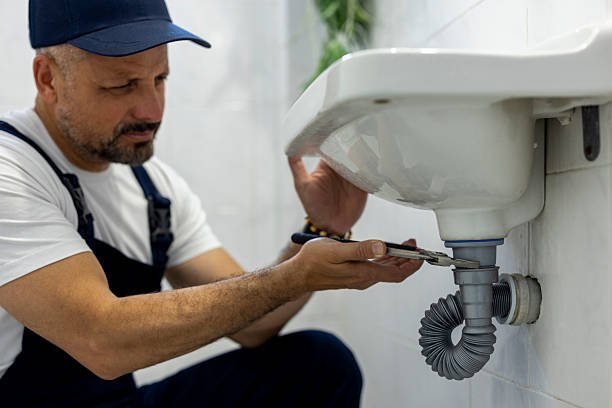
Your floor is the size but it is the finish level that is within your budget. There is a difference between two bathrooms of the same size in tens of thousands of dollars just because of the material used.
Budget finishes are based upon prefabricated shower kits, laminate or low-end tile and stock vanities. This level will provide you with a clean and practical bathroom but without the visual spectacle and it is the correct choice when remodeling a rental or a guest bath that is not used very often.
Mid-range finishes are where most homeowners land and for good reason. Tile flooring, semi-custom vanities, and quality not high-end, fixtures will provide a bathroom that appears up-to-date and can be maintained even after several years, but at limited luxury prices.
Premium finishes introduce custom tile work, quartz or natural stone countertops, free-standing tubs and frameless glass showers. At this level, smart bathroom technology, computerized showers, heated floors, and intelligent mirrors begin appearing as a regular product and not an option.
| Finish Component | Budget | Mid-Range | Luxury |
|---|---|---|---|
| Vanity | $300-$800 | $900-$2500 | $3000-$8000+ |
| Shower/tub | $600-$2500 | $3000-$8000 | $9000-$20000+ |
| Flooring & tile | $1000-$3000 | $3500-$7000 | $8000-$18000+ |
| Toilet | $200-$450 | $500-$1200 | $1500-$5000 |
| Lighting & electrical | $500-$1200 | $1200-$2500 | $2500-$6000+ |
Where the Money Actually Goes: Labor vs. Materials
The majority of homeowners believe that tile and fixtures consume the majority of a remodeling budget. They don’t. Labor is usually a significant portion of all project costs, with an average of 40% to 60% being the largest single line item.
It is not padding, it is true complexity. A remodel of a bathroom involves more trades per square foot than nearly any other home remodeling: plumbers and electricians and tile setters and drywall crews, and frequently a general contractor who puts them all together. Any good tile work can cost a labor of $10 to $25 per square foot, and the worst error in the whole project is the most visible and costly to correct: a mistake in the entire project.
- Plumbing same footprint: $1500-$3000
- Plumbing relocated fixtures: $3000-$8000+
- Electrical work: $500-$2000
- Tile installation labor: $10 – $25 per sq ft
- Demolition: $1000 – $2300
- Permits: $100 – $1000
Plumbing relocation is, just about, the fastest growing line of budget-inflating. Relocating a toilet, a tub, or a sink to a different location involves cutting floors and walls to redirect drain lines, and that single choice may cost an extra $2,000-$8,000 to what otherwise appeared to be a low-cost project.
Regional Price Differences
Your location increases your cost of remodeling the bathroom by more than most people anticipate, by up to 40% or more across metros. A remodel that costs $12,000 in a less expensive cost-of-living market might easily cost $20,000 or more in a coastal city with higher labour rates and tougher permitting.
The markets in cities that have high levels of contractor demand and stricter building codes are likely to be on the higher end of the pricing spectrum. The suburban and lower cost-of-living areas tend to be closer to the national midpoint, and the rural areas can occasionally save on labor but some of that benefit is offset by having restricted material sourcing and longer lead times.
Due to such a high variation, a national average is only a starting point. It is more important to get local, itemized estimating services than for most home projects. A generic online calculator cannot take into consideration the labor rates or code requirements of your particular market when it comes to remodeling a bathroom.
Return on Investment: Is a Bathroom Remodel Worth It?
The price is not everything. The other half is what you have to get back when you finally sell.
Mid-range bathroom remodels will generally fetch back 60% to 80% of their investment at the time of sale, so they are one of the surest renovation investments as compared to, say, a swimming pool or a home office conversion. Cosmetic updates, new fittings, paint and new hardware punch far above their weight and tend to recoup 80% to 100% of the investment since the investment is much itty.
Luxury upgrades are not the largest value driver; it is eliminating a glaring objection. One of the quickest methods of making buyers mark down the price of a home mentally is to make the bathroom visibly old (yellowed tiles, old fixtures, bad lighting). The resolution of that one problem is likely to be overpaid in relation to the amount of dollars expended.
7 Ways to Control Your Bathroom Remodel Budget
Budgets do not go up as homeowners select costly tile. They burst due to mid-project decisions, post-demolition decisions, when decisions are most difficult to retract.
- Keep the existing layout. The most costly sentence in any remodel discussion is to move a toilet or shower.
- Get at least three itemized bids and not three bids altogether, so that you may compare the line-by-line of labor and material.
- Match scope to whats actually failed. A tub and tile refresh will be much less expensive than a full gut job if the tub and tile are in good condition.
- Plan for a 10–15% contingency rather than when the first unexpected item is discovered behind the drywall.
- If on a budget then opt for prefab shower kits over custom constructed ones.
- Plan to buy materials at the right time as there have been some modest increases in the prices of porcelain tile and vanities so it’s best to get the price locked in early.
- Work from a professional estimate, not a rough guess, before signing any contract. This is precisely where the Smart Constructs Team adds the most value, turning a vague renovation idea into a defensible, itemized number you can actually budget against.
Smart Bathroom Technology: What It Actually Costs in 2026
Smart features have since become common in medium- to high-end remodels and prices have fallen sufficiently that they are now affordable to budget in even small-scale projects.
| Feature | Typical Cost |
|---|---|
| Digital shower system | $800 – $3500 |
| Smart toilet | $1500 – $5000 |
| Smart mirror (lighting/defog) | $500 – $2000 |
| Voice-activated lighting | $200 – $800 |
| Heated flooring | $500 – $1500 (electrical only) |
It is these upgrades that have high popularity among potential customers in the future because they will remain relatively uncommon. Thus, a remodeled bathroom will have a clear advantage over a bathroom that was just remodeled and listed by a competitor down the road.
Getting an Accurate Estimate Before You Commit
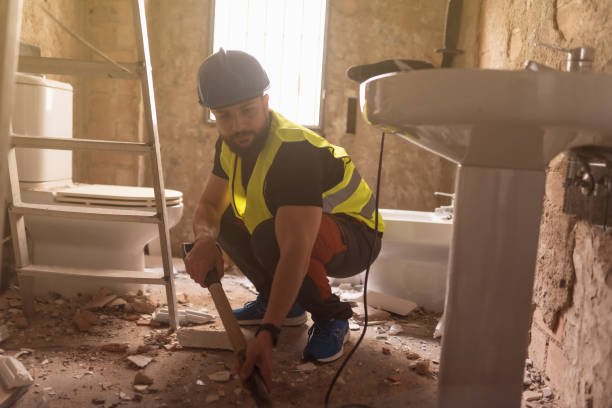
The bad news about the majority of Internet bathroom remodel calculators is that they are designed to be trafficable rather than accurate. A generic tool will not consider your local labor market, the plumbing layout of your home, or the local code requirements in your city and that is where the budgets start going off the rails.
A detailed construction cost estimate, made up of the true size of your bathroom and the true labor rates of your area, is the difference between a figure you can budget and a figure that collapses the minute the jackhammer sets in. This is where Smart Constructs is constructed to bridge, making national pricing data available and matched with the type of line-item detail that a general contractor can actually bid against.
DIY vs. Hiring a Professional: What You’ll Actually Save
Removing labor from the equation seems like a simple way to save thousands of dollars and in a limited range of tasks, it is. Reasonable weekend projects that will save real money on a budget and have little risk are painting, replacing cabinet hardware, or adding a new mirror.
The same is not true for plumbing and electrical work. Licensed professionals are typically needed for anything related to supply lines, drains or electrical circuits. There is a reason behind this. It can be very expensive to fix the shower drain pan or outlet at the wrong ground later on if it has not been sealed properly. It could also cause damage to the water or pose serious safety hazards. These costs often exceed any money you might save in the short term. The homeowners who save the most money are not the ones who do it all by themselves. They are the ones who do it all with the superficial layer and leave the work to licensed remodeling contractors.
The middle ground would be to tile and prep DIY, remove old fixtures, and tile them yourself until the labor force comes in, and then transfer the technical workload. This can either save you $1,000 to $2,300 in demolition expenses as long as you are willing to work at it and are sure not to destroy any plumbing or structural features during it.
Best Time of Year to Remodel a Bathroom
The timing of your remodel is not only about what you want to do at your own time, but it can also have a significant influence on your ultimate price. The demand of contractors has a seasonal forecast and reserving on a different pattern is among the few free means of reducing the cost of bathroom remodel.
In most areas, the slowest season of residential remodeling is during late fall and early winter as homeowners are not thinking of remodeling but instead of the holidays. Contractors are more likely to work on pricing and availability within this window and material vendors are sometimes making offers to clear stock before the end of the year.
The busiest months in the industry are the spring and the early summer and this implies that there is no time to bargain as far as the lead time is concerned. Assuming you have no time constraints on your project, you can slot it in during the off-season or even simply ask for quotes during the off-season. This will put you in a better bargaining situation before the contracts are signed.
Common Budgeting Mistakes That Blow Up Bathroom Remodels
Even projects that are well planned exceed their budgets and it is hardly ever due to a single mistake. It’s usually a handful of smaller ones stacking up.
- Skipping the contingency fund. The 10-15% buffer is not a buffer; it is the realistic price of the surprises that are lurking behind your drywall.
- Choosing finishes before getting a full bid. When an individual falls in love with a particular tile or vanity and then prices the entire project, it will have to change the scope later.
- Underestimating permit timelines. In certain jurisdictions, just the approval of the permits will add one or two weeks to a project, postponing the entire schedule.
- Assuming “small” means “cheap.” As discussed in the section above, fixed costs are not affected by the size of the area. Thus, small baths are likely to be even more expensive on a per-square-foot basis.
- Comparing bids that aren’t itemized the same way. There is no comparison between a quote of $14,000 and a quote of $18,000, where one of the quotes does not include permits, demolition or fixtures and the other does not. The gap is among the most frequent ones that Smart Constructs Experts warn about when comparing homeowner bids.
None of these five errors will ensure you stay within your budget; however, renovation is always a little uncertain. But it will go a long way towards closing the gap between what you estimate to spend and what ends up on your final invoice.
What a Detailed Estimate Should Actually Include
Not every estimate is an equal and it frequently only becomes clear when it is too late to do something about it. The most reliable bathroom remodel quote must include at least demolition, plumbing, electrical, tile and flooring materials and labor, fixtures, vanity and countertop, permits and a well-defined contingency allowance.
When the bid comes in the form of a single lump sum without a breakdown, then it is an indication to ask questions before signing. Transparency is not the only benefit of itemized estimates. It’s also your best weapon when it comes to comparing contractors in an even-handed manner and preventing scope gaps that may become change orders in the middle of the project.
Conclusion
The smart bathroom remodel is not about the lowest price but rather knowing where your money is really saving you. Get a proper estimate of what Smart Constructs has to offer and the remainder of the project proceeds with ease.
Ready to plan your renovation with real numbers instead of guesswork? Get a detailed, line-item bathroom remodel estimate from Smart Constructs before you request a single contractor bid.
FAQs
What is the cost of a bathroom remodel in 2026?
The average cost of most full bathroom remodels is between $12,000 and $25,000 and the national average is close to $17,500. Powder rooms may only cost less than $2,500, whereas luxury primary suites may cost more than $80,000.
What is the average price per square foot of a bathroom remodel?
A mid-range remodel will cost between $180 and $300 per square foot, a budget refresh will range between $80 and $150 and luxury finishes will be between 350 and above.
What is the most costly aspect of a bathroom remodel?
Labor usually 40% to 60% of the total budget. The relocation of plumbing fixtures to another place is typically the largest cost driver in that category.
Do the remodels of bathrooms add value to homes?
Yes. Mid-range remodels are the ones that will usually be able to recoup 60-80% of their price at resale, and smaller cosmetic refreshes will be able to recoup 80%-100% of their price.
What is the time duration of a bathroom remodel?
An average complete bath is between 3 and 5 weeks. Luxury remodels and Master bathrooms may take 8 to 14 weeks, particularly where plumbing and structural remodelling are to be undertaken.
