
Crawl space foundation repair costs $500 to $7,500 for most homes, with a national average of about $6,000. The type of damage drives most of the price, and water problems, rotted wood, and sinking supports sit at the top of the range.
According to NAHB analysis of U.S. Census Bureau data, crawl spaces made up 9.7% of new single-family homes in 2025. Fewer new homes use them, but millions of existing homes still sit on one, and every one of them needs care as it ages.
So we went through the repairs one at a time. Each one has a price range. You’ll also find a worked budget and the add-on charges people usually learn about too late.
How Much Does Crawl Space Foundation Repair Cost?
Most crawl space foundation repairs fall into three groups. A couple of cracks or a broken vent? Plan on $3,000 or less. Once structural or moisture work enters the picture, budgets tend to land in the $3,000 to $8,000 range, and the big multi-problem jobs can climb to $15,000.
| Job | Usually Involves | Cost |
| Small | Minor fixes, like sealing cracks or vents | $500 – $3,000 |
| Average | Some structural or moisture repair | $3,000 – $8,000 |
| Extensive | Several problems fixed at once | $8,000 – $15,000 |
Some jobs get priced per item, say one crack or one beam. Other work covers the whole space and is priced by area. Heads up: none of those numbers include mold cleanup, plumbing fixes or permit fees.
According to the U.S. Department of Energy, sealed crawl spaces used 15% to 18% less energy for heating and cooling and cut humidity by more than 20% in its Building America research. So part of that repair bill can come back through lower energy costs.
Crawl Space Foundation Repair Cost by Type of Repair
Crawl space repairs aren’t priced the same way. Some are charged per crack or per beam, and others by the size of the area. Here’s what the most common repairs cost:
| Type of Repair | Typical Cost |
| Crack sealing | $250 – $1,000 |
| Floor joist repair | $100 – $300 per joist |
| Sagging floor repair | $1,000 – $5,000 |
| Support beam replacement | $1,500 – $5,000 per beam |
| Sill plate replacement | $120 – $200 per linear foot |
| Piers | $1,000 – $2,000 per pier |
| Vapor barrier replacement | $1,200 – $4,000 |
| Waterproofing and encapsulation | $5,000 – $15,000 |
| Drainage system | $800 – $3,000 |
| Sump pump | $500 – $1,200 |
| Mold removal | $500 – $2,000 |
| Dehumidifier | $750 – $1,700 |
Crack Sealing
This is the cheapest fix on the list. Thin cracks get a shot of epoxy or polyurethane. Once it hardens, water and bugs have one less way in. Most of the time, it’s done in a day. A wide or growing crack is different, though. Often it means the house is moving. Patching it only hides the symptom.
Sagging Floor Joists and Sistering
Joists are the wooden boards that hold up your floor. When they get wet or weak, the floor starts to sag or bounce. Most contractors “sister” them. A new board gets bolted to the old one. The old joist finally gets some help. You pay per joist, so the price goes up with every board that needs work.
Support Posts and Jacks
Sometimes the floor sags because the beams don’t have enough support under them. In that case, the crew adds steel jacks or new posts in the crawl space to lift the floor and hold it level. Quantity and site access drive the price—along with how much room the crew has to work.
Beam and Sill Plate Replacement
The beams carry the weight of your home. The sill plate is the wooden board that sits on top of the foundation wall. Give either one a few damp years and the wood goes soft. Beams are priced one at a time, and the sill plate is priced by length, so a long run of rotted wood adds up fast.
Piers and Underpinning
When soil under your home settles or shifts, piers help keep the foundation steady. Crews drive them below weak upper soil into firmer strata, usually under engineering oversight.
Vapor Barrier and Encapsulation
A vapor barrier is a thick plastic sheet laid over the crawl space floor. It blocks moisture coming up from the ground. Encapsulation goes a step further and seals the floor, walls, and vents, so the whole space stays dry.
Drainage and Sump Pump
When water collects in the crawl space, you need a way to move it out. A perforated pipe collects the water, it flows to a pit, and a sump pump kicks it outside. Most homes with standing water need both.
Mold Removal and Dehumidifier
Mold grows where the air stays damp. Removing it fixes the problem you can see. Without a dehumidifier, though? The mold usually comes back by next summer. Many contractors suggest doing both together.
Cost by Crawl Space Size
Crawl space repair costs about $2 to $6 per square foot for work that covers the whole space, like sealing it. So the bigger your crawl space, the more you’ll pay, because larger areas need more materials and more labor.
| Crawl Space Size | Estimated Cost to Seal |
| 800 sq ft | $1,600 – $4,800 |
| 1,000 sq ft | $2,000 – $6,000 |
| 1,500 sq ft | $3,000 – $9,000 |
| 2,000 sq ft | $4,000 – $12,000 |
| 2,500 sq ft | $5,000 – $15,000 |
Not sure how big yours is? Your crawl space is usually close to the footprint of your home’s ground floor. So a single-story, 1,500 sq ft house most likely sits on a crawl space of about the same size.
Keep in mind that these numbers cover the sealing work only. Rotted beams or sagging joists? Those show up as separate lines on the bill.
What Factors Affect the Cost of Crawl Space Foundation?
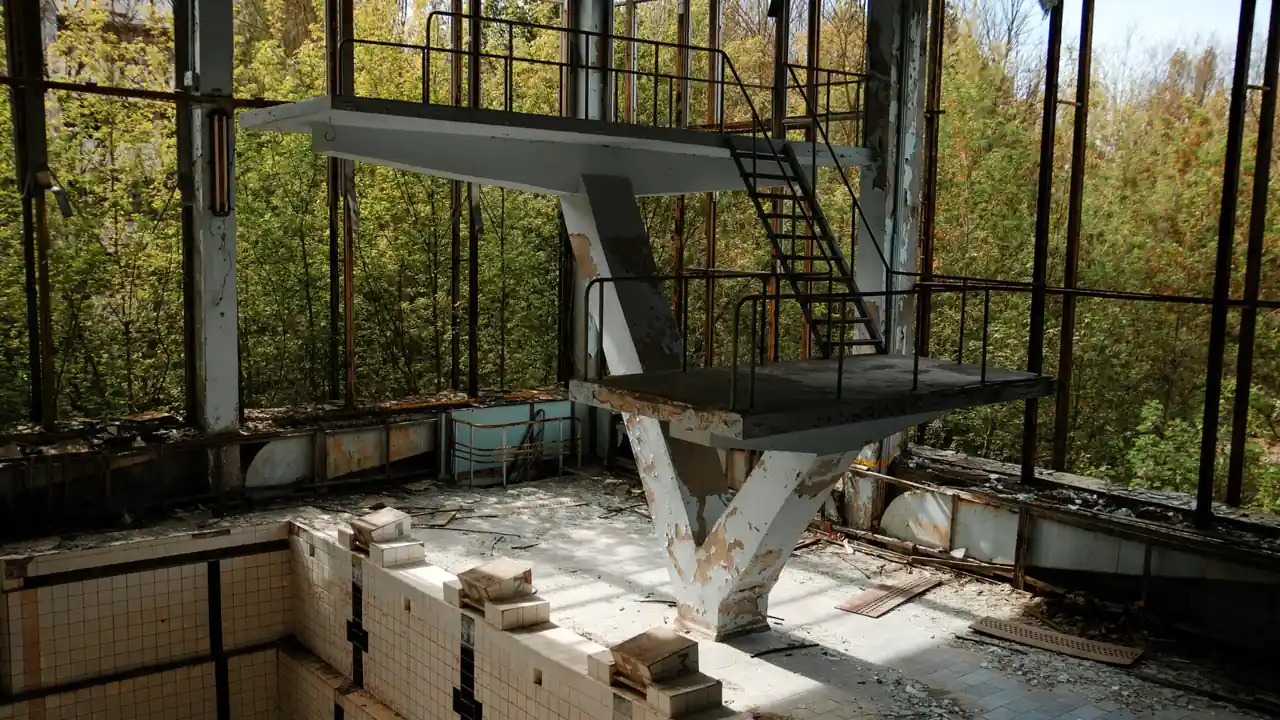
Two homes can have the same problem and still get quoted thousands of dollars apart. Usually, it comes down to these six things.
Size of the Crawl Space
A bigger crawl space needs more material and more hours. Clearing out a small one costs about $500 to $2,000, and a large one costs $2,000 to $4,000.
That logic only goes so far. One cracked wall is one cracked wall, whether the house is 900 sq ft or 3,000 sq ft.
How Bad the Damage Is
If your crawl space is just damp, expect to pay around $1,500 to $5,000. After a real flood, it’s more like $3,000 to $10,000.
Water left sitting under a house is never harmless. It works its way into the joists, feeds mold, and softens the wood over a few months. We’ve had more than one “it just smells a bit musty” call end with two beams being replaced. Soft floors are usually the last symptom, not the first.
Access and Clearance
Some crawl spaces have room to kneel. Others give you maybe 20 inches. Below roughly 3 feet, crews work on their backs and push materials along ahead of them. A small entry hatch slows things down too, and so does a mess of ductwork. Nothing about the repair changes, only the hours, and those land on your bill.
Soil and Water Problems
Clay soil is a common culprit. Wet weather makes it swell, and a dry August shrinks it right back. Years of that push and pull will nudge a foundation out of place.
Sometimes the real repair happens in the yard. Rain running toward the house will find its way under it, sealed or not. Regrading, so the soil slopes away from the walls, costs $500 to $5,000 depending on how much dirt gets moved. New gutters cost $750 to $2,300. It’s money spent outside so the money spent inside actually lasts.
Labor and Where You Live
Most of what you pay goes to labor. Crawl space contractors usually charge $50 to $150 per hour. City crews sit at the higher end, and rural rates are lower. The catch is that foundation specialists in rural areas can be booked up for weeks.
A cheap hourly rate can fool you. A team that does this every week often finishes in half the time.
Permits and Inspections
Sealing a crack or laying a vapor barrier? Usually no permit. Beam work, piers or lifting the house is another story. That kind of work often needs one, at around $75 to $150, which is cheap. Waiting on the inspector, though, can cost you a day or two. Not sure what your town requires? Call the local building office. Most good contractors pull the permit for you anyway.
Extra Costs People Often Miss
The repair quote is rarely the final number. Once the crew gets under the house, things turn up that nobody could see from the hatch. These are the ones that catch homeowners off guard most often.
Start with the inspection. A basic crawl space check runs about $100 to $300, and some contractors take it off your bill if you hire them. Spotted cracked or sagging beams? Bring in a structural engineer too. A structural engineer’s plan costs $250 to $1,000. We get why people skip it. Our take: pay for it anyway. With the report in hand, you know what needs fixing. Upselling gets a lot harder.
Then there’s whatever’s living down there. Mice, snakes and insects love a dark, damp crawl space. Getting rid of a minor pest problem runs about $200 to $700. Old insulation, broken boxes, and other junk often have to come out before work can start, and junk removal adds another $150 to $350.
Testing is easy to forget. If the crew spots mold, a proper mold test with samples runs $200 to $400. Got an older house, say, one built before 1980? Look at the wrap on the old pipes and ducts. It could be asbestos. Taking it out safely costs $1,200 to $2,800.
Pipes and ducts can also surprise you. A slow leak is often the reason the crawl space got wet in the first place. A plumber usually charges $45 to $150 per hour to track it down and fix it. Got a crushed or moldy duct section? Replacing it runs about $600 to $1,000.
Our advice? Keep a cushion. We suggest setting aside an extra 10% to 20% of your repair quote for things like these. Maybe it goes unspent. Better that than scrambling for cash with half your floor jacked up.
Ready to Fix Your Crawl Space Without Overpaying?
Get your accurate repair cost estimate today and know exactly what the job should cost.
How to Calculate Crawl Space Repair Cost
You don’t need a contractor to get a rough number. A tape measure, a flashlight, and about twenty minutes will get you most of the way there.
Measure the Area
Measure the length and width of your crawl space, then multiply them. Can’t fit through the hatch? Your ground-floor square footage is a decent stand-in. Hang on to that figure, since sealing and anything else that covers the whole space is priced by it.
List the Problems You Found
Inspect the space with a flashlight and record everything you find, from standing water and sagging boards to wet insulation, cracks, or a musty smell. Be specific with counts whenever possible—writing “six sagging joists” is far more helpful than “some sagging” because many repairs are billed per item.
Price Each Repair
Give every problem on your list its own price. Pick the middle of each range. Does the damage look rough? Bump it up. Six joists at $200 each come to $1,200. Do that for every line on your list.
Add Labor, Permits, and a Buffer
Most repair prices already include labor, so check before adding it twice. Next come the extras: the inspection fee, an engineer (only for structural work), and a permit if your town wants one. Finish with a cushion of 10% to 20% for anything hidden behind the walls or under the plastic.
Example: A 1,500 Sq Ft Crawl Space with Sagging Joists and Moisture
Say you own a single-story home in a damp area. The crawl space is 1,500 sq ft. You crawl in with a flashlight and count six sagging joists. One beam gives way when you press a screwdriver into it, and every rain leaves a puddle by the back wall.
Here are our numbers, line by line:
| Item | How It’s Figured | Cost |
| Inspection | One visit | $200 |
| Structural engineer’s plan | Needed for beam work | $600 |
| Sister six floor joists | 6 × $200 | $1,200 |
| Replace one support beam | 1 × $3,000 | $3,000 |
| Drainage system | Mid-range | $1,900 |
| Sump pump | Mid-range | $850 |
| Seal the crawl space | 1,500 sq ft × $4 | $6,000 |
| Permit | Structural work | $100 |
| Subtotal | $13,850 | |
| Buffer (15%) | $13,850 × 0.15 | $2,078 |
| Estimated total | $15,928 |
So this homeowner should plan on roughly $16,000.
Look at where the money goes. Sealing is the biggest single line because it’s priced across the full 1,500 sq ft. Structural work comes next. If this same home had only the sagging joists and no water problem, the bill would drop to a few thousand dollars. Deal with the water early, and most of this bill never happens.
Signs Your Crawl Space Foundation Needs Repair
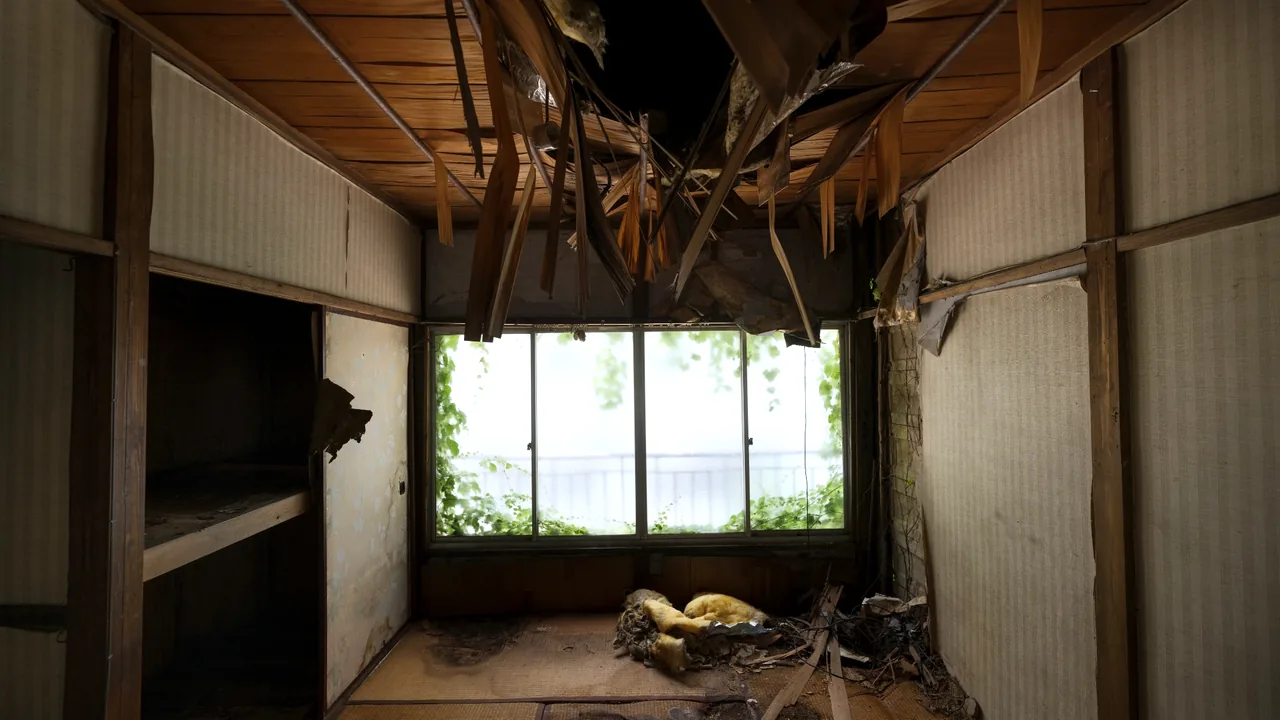
Most people don’t go into their crawl space unless they have to. Can’t blame them, since it’s cramped, dark, and usually home to a few spiders. But your house drops hints when something’s wrong down there, and most of them show up in the rooms you live in.
- Floors that bounce, dip or slope. Put a marble down. Does it roll away on its own? Does the hallway bounce underfoot? The joists and beams underneath might be weak. It often starts small and gets worse with every season.
- A musty smell that won’t leave. Air from the crawl space moves up into your home. A stale, basement-like smell comes with it, and you’ll notice it most by the floor vents.
- Doors and windows that stick. Last year the door shut fine. Now it drags. That’s usually the house shifting. Gaps along the top of a door point to the same thing.
- Cracks in the walls. Look closely at the corners of doors and windows. Thin, diagonal cracks in the drywall there can mean the foundation is settling. Outside, check the foundation wall for cracks that are wide, growing, or uneven from one side to the other.
- Water or wet soil in the crawl space. Puddles after a storm. Insulation sagging off the joists. Dirt that stays muddy for days. Even a little standing water is worth taking seriously, because it rarely dries up by itself.
- Bugs and mice that won’t stay gone. Termites, mice and other critters love a damp, dark space. Treating over and over with no luck? Moisture under the house is probably pulling them back.
Should You Repair or Replace Your Crawl Space?
For most homes, repair is the better choice. Crawl space damage is usually limited to certain areas, so it can be fixed without disturbing the rest of the foundation. Tearing out the whole foundation is a last resort, and it should only come up after a structural engineer says the foundation has actually failed.
| Repair | Replace | |
| Typical cost | A few hundred to several thousand dollars | $20,000 – $100,000 |
| What’s involved | Fixing damaged joists, beams, piers, or wall sections | Lifting the house, removing the old foundation, and building a new one |
| Lifting the house | Not needed | $10,000 – $40,000 on its own |
| New crawl space foundation | Not needed | $10 – $18 per sq ft, or about $15,000 – $27,000 for 1,500 sq ft |
| Best for | Localized rot, sagging, cracks, or moisture | Widespread failure across walls, footings, or framing |
| Who should decide | Contractor, plus an engineer for structural work | Independent structural engineer |
| Upgrade option | Seal the crawl space during repairs | Convert to a finished basement for $50,000 – $200,000 |
Can You Lower the Cost?
Yes, in a few ways. Catching moisture early helps the most. Getting a few real quotes is the next big one, and the gear you buy matters a bit too. According to ENERGY STAR, a certified dehumidifier uses 13% less energy than a standard unit, and it will run for years.
None of these tips mean skimping on the work. You just stop paying for extras.
1. Don’t wait on small problems
A hairline crack or a damp corner is a small, quick fix. Ignore it for a couple of wet seasons, and you could be paying for joists and beams instead.
2. Stop the water before fixing the damage
Most crawl space damage starts outside the house: clogged gutters, soil sloping toward the foundation, or a leaking pipe. Fix the wood, but not the gutters, and the rot comes back. We see it all the time.
3. Compare itemized quotes
Ask at least two or three contractors for a line-by-line quote. If one bid comes in $3,000 higher, go through it item by item. Nine times out of ten, one item explains it, such as two extra piers or a heavier liner.
4. Don’t overbuy
Not every crawl space needs full encapsulation. If the space is dry and only the vapor barrier is damaged, a new barrier may be all it takes. See something on the quote and not sure why it’s there? Ask. Good contractors are happy to explain.
5. Pick efficient equipment
An ENERGY STAR dehumidifier costs about the same to buy but less to run every month. Call your power company, too. Some of them offer rebates on certified models.
One last thing. Got one bid that’s way under the others? Be suspicious. It might be skipping drainage, or using a flimsy liner. Check every line before you look at the total. You can approach the Smart Constructs’ team to better evaluate your bids with our accurate estimates.
Ready to Fix Your Crawl Space Without Overpaying?
Get your accurate repair cost estimate today and know exactly what the job should cost.
DIY vs. Hiring a Pro
Laying a vapor barrier or scrubbing a small mold patch? Those are fair DIY jobs. Barrier plastic costs just $0.15 to $0.50 per sq ft, versus $2 to $4 installed. Anything structural is a job for a pro.
Doing part of the work yourself can save money, but only on the right jobs. Our rule of thumb? Anything holding the house up stays off your to-do list.
| DIY | Hiring a Pro | |
| Cost | Materials only | Materials plus labor |
| Best for | Prep work, vapor barriers, small cleanups | Structural, drainage, and full sealing work |
| Skills and tools | Basic tools and some patience | Jacks, shoring, testing equipment, and trained crews |
| Permits | Rarely needed for small jobs | Contractor usually handles them |
| Risk if done wrong | Low for small jobs, high for structural work | Covered by insurance and warranty |
| Warranty | None | Often written and sometimes transferable |
What a Good Repair Quote Should Include
A good crawl space repair quote should list the work, materials, completion date, price, and the contractor’s contact details, as the Federal Trade Commission advises. Missing any of them? Then you’re comparing apples to who-knows-what.
A quote that says “crawl space repair – $8,500” doesn’t tell you much. What’s included? Who knows. Here’s our checklist when a quote lands on our desk:
- One repair per line, no lumping. “Fix floor” is useless. “Sister six joists, replace one support beam” actually tells you something.
- Spell out the materials and how much of each: liner thickness, how many piers, what kind of lumber, what size sump pump. We’ve seen two quotes look nearly identical until you notice one liner is 6-mil and the other is 20-mil.
- Every whole-space quote should list the exact square footage and you should verify it. If a contractor quotes 1,800 sq ft on a 1,400 sq ft area, you pay for 400 sq ft of phantom space.
- Look for who handles the permit and the inspection, and whether those fees are already included. This is where a lot of surprise charges hide.
- Cleanup and haul-away should be written in, too. Old insulation, wet cardboard and torn vapor barrier don’t remove themselves.
- Dates matter. You want a start date, a finish date, and payments tied to finished work rather than the calendar.
- A warranty, in writing. Find out how long it lasts and whether a buyer gets it if you sell.
The FTC’s other tip? Get written estimates from a few contractors, and don’t grab the lowest one out of habit. Lowball numbers usually have a missing line somewhere. Ask each contractor to explain the gaps, and line the quotes up item by item before you decide.
Want someone neutral to look it over first? That’s what we do. We build line-by-line estimates, so you can see what the job should really cost and spot which quote is padding the numbers. [Get your crawl space estimate →]
FAQs
Is crawl space repair worth it for small problems?
Yes. Small problems rarely stay small down there. Fixing a crack might cost a few hundred dollars. Leave it, and you could be replacing a $5,000 beam a few years later.
How does crawl space repair compare to overall foundation repair cost?
Across the U.S., the average foundation repair cost is about $5,200, and most jobs fall between $2,200 and $8,200. Crawl space repairs usually land between slab and basement repairs, costing more than slabs but less than basements at the high end.
How long does crawl space repair last?
A good repair can last decades, as long as the water problem is fixed too. Steel piers and new beams often last the life of the home, while vapor barriers and pumps need occasional checks.
Is there a best time of year to do crawl space repair?
Late summer and early fall usually work best. Drier ground is easier to dig in, and the work goes faster. Got standing water or a sagging floor now? Forget the calendar and get it looked at.
How much does it cost to repair ductwork in a crawl space?
Sealing a leak or reattaching a loose run usually costs $300 to $800. That’s the typical cost to repair ductwork in crawl space areas. Crushed or moldy ducts? Full replacement runs $3,000 to $7,300.
