
The idea of constructing a shed in the backyard is easier said than done until the quotes begin to come through and each contractor offers you a different price. Assuming you have been hunting for an unbent answer to the question of how much building a 12×12 shed costs, you have arrived at the right place. Because in this guide, you will find the cost of each dollar of your building as far as lumber and workmanship are concerned, so you can plan your budget not by guesstwork but by solid calculation.
The majority of homeowners are appalled to discover that two sheds of the same size can sell at a difference of thousands of dollars. It is always almost a matter of three factors: material grade, type of foundation, and whether to hire a crew or do the job yourself. We shall take them step by step in simple terms, supported by realistic 2026 prices.
Quick Cost Snapshot: What a 12×12 Shed Really Costs
And now, the figure that most people are interested in. The price of a 12×12 shed usually ranges between $3200 and $8500 with the national average coming at $5100 in terms of prices, the materials and the work. Then, the structure is a mid-grade wood-framed shed which has asphalt shingles and a gravel foundation.
| Build Type | Estimated Total Cost | Cost Per Sq Ft |
|---|---|---|
| Basic DIY (gravel base, plywood siding) | $2,800 – $4,200 | $19 – $29 |
| Standard Contractor Build | $4,500 – $7,000 | $31 – $48 |
| Premium Finished Workshop (insulated, wired) | $7,500 – $12,000+ | $52 – $83 |
| Prefab Kit (self-assembled) | $2,200 – $5,500 | $15 – $38 |
One of the most common residential sizes is a 12-foot by 12-foot footprint (144 square feet) which is big enough to accommodate a mower, bikes, seasonal storage and not so large as to be subject to the scrutiny of a zoning review board that is usually imposed by most counties.
Material Costs: Where Most of Your Budget Goes
Lumber prices are more volatile than almost any other line item in a construction budget and that is why determining what you need to spend on your shed material cost is a good way to avoid mid-construction sticker shock. The cost of materials used to build a wood-framed building takes about 55%-65% of the overall project cost.
The following is a realistic breakdown of what is in the frame, walls and roof:
| Material Category | Estimated Cost Range |
|---|---|
| Framing lumber (studs, joists, rafters) | $900 – $1,400 |
| Plywood/OSB sheathing | $500 – $800 |
| Siding (T1-11 or vinyl) | $600 – $1,500 |
| Roofing (asphalt shingles) | $350 – $650 |
| Doors and windows | $250 – $900 |
| Fasteners, flashing, trim | $200 – $400 |
Whether it is wood, metal or vinyl makes the math quite different. Wood is still the most favored option because of its traditional appearance and simple customization although it requires a sealant after a few years to combat moisture. The metal sheds are much more resistant to pests and fire and shed panel pricing has even decreased a notch in 2026 with steel supply chains having stabilized which makes them an attractive choice among budget-conscious customers.
Labor Costs: What You’ll Pay a Professional
Outsourcing the build does not entail any guesses, but you create a considerable increment in your final cost. The average Shed labor cost is between $1200 and $3400 on a 12×12 building depending on the area and the level of experience of the contractor.
Contractors normally charge one of the following:
- Hourly rate: $45 to $95 per hour per worker, typical of smaller local contractors.
- Flat project rate: A fixed price to finish framing, roofing and finishing, typically 2-4 days of work by a two-person team.
Urban markets that are more expensive to live in such as in California or the northeast, will be at the high end of that range, and rural labor markets can be 20%-30% cheaper. In case you would like your figures to be compared with actual regional data prior to signing a contract, Smart Constructs Estimators team compares bids with current material indexes to ensure that you never pay more for the same work done by a neighbor.
Foundation Costs: The Line Item Everyone Underestimates
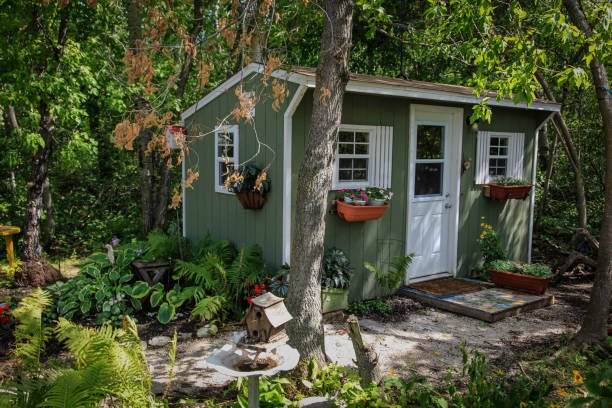
A shed is as stable as the structure it is placed on and one of the least considered elements of a foundation costs until cracks or movement appear a year later. Not taking this step as a cost-saving measure nearly always results in more costly repairs in the future.
| Foundation Type | Average Cost | Best For |
|---|---|---|
| Gravel pad | $250 – $600 | Budget builds, good drainage |
| Skid/runner base | $150 – $500 | Portable sheds, temporary use |
| Concrete slab | $1,100 – $2,300 | Heavy equipment, permanent structures |
| Paver base | $400 – $900 | Mid-range durability |
In this case, it depends on your choice, but we have a complete concrete slab foundation cost guide to include the thickness requirement, reinforcement needed by rebar and the impact of local frost lines on prices in colder regions.
The state of the soil is more than you think it is. Uneven or soft ground can usually require grading and compaction prior to any foundation being started and the prep work itself can cost between $300 and $900 depending on the amount of leveling needed.
DIY vs Hiring a Pro: Running the Real Numbers
The assumption that DIY is cheaper is universal and even though it usually is, it is not the entire picture. The DIY shed cost can average 30% to 45% cheaper than a full contracted shed, although that is narrowed when you include the cost of tools, errors and time lost by most first-time shed builders (25 to 45 hours).
The trade-offs would work out as follows:
- DIY builders can save on labor, yet they may end up with expensive mistakes in framing, roof leaks due to inadequate flashing and building code violations to be reworked.
- Hired professionals ensure the structural compliance and would usually be completed within 3-5 days, compared to 2-4 weekends with a DIY team.
- Hybrid approach: DIY framing and have a licensed electrician to do the wiring – oftentimes provides the best savings and safety.
When the tools and a lawnmower are the only equipment that will fit in your shed, DIY is highly economical. In the case of a workshop that requires power and insulation, the risk is minimized in the long term when the work is done by a professional.
Extra Costs People Forget to Budget For
The underlying framework is hardly the bottom price on your bill. Homeowners planning shed upgrade costs should take into consideration a 10%-20% margin to the core estimate to include the extras below.
| Add-On | Typical Cost |
|---|---|
| Insulation | $350 – $850 |
| Electrical wiring | $500 – $2,200 |
| Interior drywall/finishing | $600 – $1,800 |
| Ramp or extra doors | $200 – $700 |
| Building permit | $50 – $500 |
The allowance of permit requirements across different municipalities is very diverse and a lot of budgets go astray. Other counties do not permit any structures below 200 square feet but some permit engineered plans of any size. Before pouring a foundation, always check with your local building department.
How Location Changes Your Final Price
The regional cost changes are larger than the majority of guides admit. A 12×12 shed cost by state reveals that coastal and high-demand metro regions are operating at 15 to 25 percent above the national average, which is more about labor rates and permit fees than about material costs.
An example of this is a build in a mid-size Midwest town that will cost $4,800 but in a major coastal city will cost $6,200 of the same specification build. When you are comparing more than one quote, you should always have the contractors provide prices in labor and materials separately. This is the quickest way to see whether you are being charged a local fair price.
Buy vs Build: Which Actually Saves More?
Prefab kits have acquired an unjust image of being excessive in price, but this is not necessarily the case. The prefab shed kit cost for a 12×12 model should be around $2,800 to $5,500 dollars delivered, which can be lower than a fully-built one when you include contractor markup and design charges.
The compromise is customization. A kit will have predetermined dimensions and door location, roof shape and a custom build allows you to determine everything, at a cost. A kit is a winner in case you need speed and predictability. When you desire a shed that complements your home, or have a home office then custom building is well worth the extra cost.
Money-Saving Tips From Industry Estimators
Minor decisions in the early planning stages magnify into actual savings when the final shingle is laid on. The Smart Constructs Team also scrutinizes shed budgets regularly and always features the same patterns between an efficient build and an expensive build.
- Select a gable roof instead of a gambrel or a hip roof to reduce framing time and material waste.
- Purchase lumber in off-season months (late fall/winter) when demand and prices are low.
- Keep windows to a minimum (one or two); each extra window costs an additional $250 to $700 installed.
- Use a gravel base unless your storage is for heavy machinery or the construction of a permanent building.
- A contractor will not be hired without at least three itemized bids to prevent overcharging in the area.
Wood vs Metal vs Vinyl: Which Material Fits Your Budget?
Selecting a shell material is a little choice until you observe the extent to which it affects the final invoice. In the middle of the pack is a woodshed cost. It is more expensive than metal panel kits, though much easier to alter later on to accommodate a window or additional shelving.
Metal has silently turned out to be the value of 2026. The cost of steel panels has come down following several turbulent years of shortage of supply and a bare-bones metal 12×12 can now be obtained at less than $3,000 as a complete set. The bad news is aesthetics metal sheds can seldom be merged with the existing landscape of a home as a painted wood structure would, and hail or falling tree dents are more difficult to fix quietly.
Vinyl has the high-end spot in shell-material. It is more resistant to rot, insects and fading than both wood and metal, a fact that explains the high vinyl siding cost which is 20% to 40% higher than the cost of the standard T1-11 wood panels. Premium will tend to be worth paying to the homeowner in the humid climate as they will no longer have to pay to reseal or repaint their homes every three-five-year interval.
| Material | Upfront Cost | Maintenance Over 10 Years | Lifespan |
|---|---|---|---|
| Wood | Moderate | $400 – $900 (sealant, repairs) | 15 – 25 years |
| Metal | Low | $100 – $250 (rust treatment) | 20 – 30 years |
| Vinyl | High | $50 – $150 (occasional cleaning) | 25 – 35 years |
Roof Style and Pitch: A Hidden Cost Driver
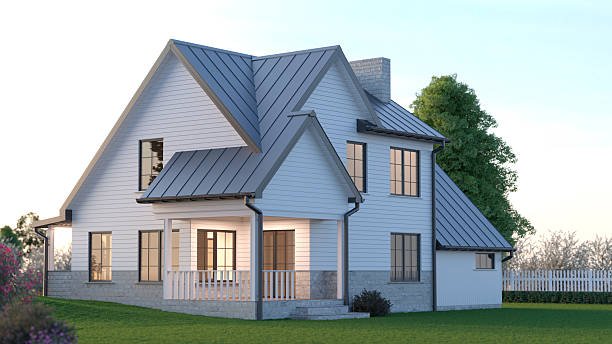
Roofline option has seldom featured on the radar of a homeowner until the contractor gives a bid that is above his expectations. A shed roof cost skyrockets after you leave a simple single-slope or gable roof, as angles are so tricky that you need additional lumber, additional waste and additional time on the ladder.
Gable roofs are still the most popular choice, not without a reason; they are easy to frame, do a good job in keeping the water and the snow outside, and use the most common trussing calculations, which most crews can perform in a short amount of time. Gambrel roofs are the two-sided roof slope, barn-like profile that provides loft storage space but generally requires an additional cost of $400 to $900 in additional framing and roofing material.
Hip roofs, where all four sides are sloped inward to a central ridge, resemble polished ones and are the most labor-intensive structure of this size. Most estimators suggest using a gable design unless aesthetics are a priority so that the budget remains low without compromising on the durability.
Seasonal Timing: When to Build for the Best Price
Projecting your project by the calendar can save hundreds of dollars in material costs alone. The time to get the best quotes would be in the late fall and winter months, when both lumber yards and contractors are experiencing a low level of demand to build sheds and thus be the most intelligent time to be able to secure the quotes.
In comparison, spring and early summer are the most demanded due to the rush by homeowners to complete outdoor projects before peak season. This period usually sees contractors book four to six weeks before the stretch and hastened scheduling can hardly result in the most competitive bid. When you have some flexibility in your timeline, it is better to ask the price in October or November as you are likely to get lower material costs and a larger number of contractors.
Size Comparison: How 12×12 Stacks Up Against Other Popular Dimensions
Selecting the appropriate footprint is as important as the selection of the appropriate materials because every extra square foot multiplies with lumber, roofing and labor. The 12×12 shed size can easily be compared to what is available nearby to put the figures in perspective.
| Shed Size | Square Footage | Estimated Total Cost |
|---|---|---|
| 8×10 | 80 sq ft | $1,800 – $3,200 |
| 10×12 | 120 sq ft | $2,600 – $4,800 |
| 12×12 | 144 sq ft | $3,200 – $8,500 |
| 12×16 | 192 sq ft | $4,500 – $9,800 |
| 12×20 | 240 sq ft | $5,800 – $12,000 |
The 12×12 size is also the magic area for most homeowners who have outgrown their small tool shed but are not ready to invest in a full-scale workshop. It is big enough to be used as a hobby area and yet would fit within most residential setback specifications.
Resale Value: Does a Shed Pay You Back?
Home improvement does not have to increase resale value to justify the cost of building it since not all home improvements are worth the cost, which is several thousand dollars. When the structure is allowed, wired to code and the building is externally compatible with the house, appraisers typically assign a well-built backyard shed a value of 50% to 80% of the construction cost.
Illegal or unfinished sheds can be a liability at the time of sale their inspector will draw the attention of buyers and some lenders refuse to fund a building with illegally built sheds until the documentation is ironed out. Storing receipts, permits, and material specs in storage ensures that you have a guarantee of your investment in case you decide to sell.
Frequently Asked Questions
What is the cost of assembling a 12×12 shed?
A self-assembled version made with typical wood framing would run around $2800-$4200 materials, assuming you have the basic power tools.
Will I save more money by purchasing a shed kit or constructing it?
Kits are typically 15-25% cheaper initially, but custom constructions are more flexible in layout, siding and roofline than some homeowners feel it is worth the additional expense.
Do I need a permit for a 12×12 shed?
It is dependent on your municipality. Buildings less than about 200 square feet are not required in most places, although it is always best to check locally before commencing construction.
What is the time taken to construct a 12×12 shed?
It will generally take DIY builders 25 to 45 hours over some weekends compared to a professional crew who can work 3 to 5 working days to complete the same structure.
A Real-World Budget Breakdown
The figures on a chart may narrate half of the story and it is useful to see how a typical build works out. In a recent suburban Midwest market, a mid-range 12×12 shed budget was put together like this: $2,900 of materials, $2,100 of a two-person crew working four days, $650 of a gravel foundation with proper drainage and $220 of a permit bringing the total to slightly less than $5,900.
The same homeowner had initially quoted a concrete slab and vinyl siding upgrade which would have brought the project nearer to $8,400. When gravel was selected instead of concrete, it saved about $1400, which is just an example of how foundation choice alone can shift the bottom line. It is precisely such decisions that make the difference between getting an itemized, detailed estimate in advance of breaking ground and getting the lowest headline price offered by a single contractor.
Checklist: What to Confirm Before You Get a Quote
Some planning before calling contractors results in narrower, more similar bids. To get on the estimate calls with a clear shed project checklist in hand also sends a message to the contractors that you conducted research and that leads to first-round pricing being more accurate, as opposed to first-round pricing being padded with worst-case numbers.
- Check your local permit and setback requirements with the building department.
- Choose the type of foundation first and then request quotes, as it affects the labor scope to a large extent.
- Have soil conditions evaluated in case of obvious drainage problems or slope in your yard.
- Determine whether electrical will be installed at this stage or at a later stage or not.
- Ask for at least three bids itemized by material and labor.
The most frequent mistake made by homeowners is not taking this step and this is what causes them to receive a range of bids differing in thousands of dollars yet they are supposed to be almost the same building.
Final Thoughts: Budgeting With Confidence
One of the few home projects where the price really represents the decisions you will make as you go on them is the shed where the type of foundation, chosen grade of materials and the method of approach to the labor will independently shift the needle. The best advice to prevent budget overruns mid-build would be to get a precise total shed price before you start the actual construction.
You can save yourself the hassle of having to do the guesswork, though. The Smart Constructs Experts can perform a full-fledged material takeoff and a labor estimate to your specific specifications, region and finish level. So that, at the end of the day and your final invoice reflects the figure that you had planned on day one.
