
Building cost estimates depend on project scope, site conditions, and prevailing material market prices. These fundamental elements determine the total capital needed for a successful construction project. The labor hours directly depend upon the complexity of the design. Moreover, the choice of material quality directly affects both upfront expenses and long-term durability. Site accessibility and ground conditions create hidden expenses for foundation work.
Regulatory permits and local labor laws introduce unavoidable administrative expenses. Track global supply chain issues to keep your construction budget accurate as material prices change.
What does Project Budget mean?
A project budget is the total amount of money specifically allocated to complete a building project from beginning to end. Mainly, it covers costs for labor, materials, tools, permits, and any other hidden costs. You must also set aside funds for unexpected expenses that emerge after work begins.
A focused and well-calculated budget helps you control spending. Teams rely on this to spot minor overshoots before they turn into major losses. Instead of catching issues only once the work is done, you can address them early by comparing your projected and actual expenses.
Which Factors Affect the Estimated Costs?
Five main factors mostly change a construction budget: project scope, material costs, labor rates, permit requirements, and overall risk. If these elements are identified early, then it allows the team to achieve realistic goals and avoid the most significant unexpected issues once construction begins.
Project Scope
Project scope defines the overall size and shape of a construction budget by establishing exactly what will be built, which materials will be used, and how complicated the work will become. A larger or more complex scope will almost always translate into a higher total project cost.
Complexity of Scope
Because they require more planning time, more specialised trade labor, and longer on-site schedules, very complicated projects are usually far more expensive than simple builds. This data is organized via classification frameworks like CSI MasterFormat and UniFormat, which classify expenses according to specific building elements, such as the roof or foundation, or by trade.
Changes in Scope
When the need arises to change the plan after construction work is already underway, scope modifications occur. For example, if a homeowner chooses to include an extra bathroom halfway through a renovation, the total project cost could suddenly increase by thousands of dollars. Before any new work starts, every scope change must be evaluated and legally approved because skipping this stage frequently results in construction project budget overruns.
Material and Equipment Costs
Material and equipment costs cover everything from lumber and fasteners to power tools and heavy machinery, and prices in this category can shift considerably from one week to the next. This portion of the budget is often the single largest expense on a typical construction project, which means even a relatively small price swing can have an outsized effect on the total cost.
Material Quality and Quantity
Premium materials cost more upfront, but actually, they often prove to be more economical in the long run because they are more durable and need less upkeep. For instance, a high-quality trim board chosen for its visual appeal is generally pricier than grade 4 framing lumber.
Estimators begin by calculating the exact quantity of each material required for the job, a process commonly known as quantity takeoff. They then add a small percentage of extra material on top of that figure to account for cuts, mistakes, and unusable scrap, a number referred to in the industry as a waste factor. The table below outlines common waste factor ranges across several major material categories used on most job sites.
| Material | Typical Waste Factor | Why It Is Added |
| Framing Lumber | 10-15% | Cuts, trim loss, and damaged boards |
| Drywall | 10-12% | Trimming sheets around doors and windows |
| Roofing Shingles | 10% | Hips, valleys, and ridge cuts |
| Concrete | 5-8% | Spillage and form size changes |
| Tile and Flooring | 10-15% | Pattern matching and edge cuts |
| Paint | 5-10% | Surface texture and second coats |
| Insulation | 5-10% | Fitting around framing and gaps |
Equipment Rentals or Purchases
Renting equipment is best for projects that only last a short time. Purchasing tools is usually more cost-effective for long-term or repetitive daily work. A crane needed for two weeks should almost always be rented. Buying large machines is rarely worth it for just one job. Calculate your total project time to see which choice saves money. Fuel expenses, routine upkeep, and operator salaries all contribute to the true cost of using equipment, and these costs are just as important as the basic rental price itself.
Market Fluctuations

Material prices are capable of swinging quite rapidly, driven largely by shifts in overall supply and demand across the construction industry. Steel, copper, and lumber are especially sensitive to these market swings, and prices can jump significantly within just a few months. The ENR Construction Cost Index is one widely used tool that tracks these price movements over time and helps estimators anticipate future shifts.
- Timing also plays a major role in overall project cost, since certain pieces of equipment, such as HVAC chillers, can take up to a full year to arrive after being ordered.
- A delay of this length can stall an entire project schedule and add substantial cost on top of the original wait.
Labor Costs
Labor costs extend well beyond a worker’s hourly rate and must also account for payroll taxes, insurance premiums, and employee benefits. This complete figure, commonly referred to as the fully burdened labor rate, typically runs considerably higher than the base wage alone would suggest.
Skill Level and Expertise
Skilled trades like licensed electricians earn more than general laborers. They have specialized training that makes their work much faster. Licensed experts often finish jobs correctly on the very first try. General workers cost less per hour but may work more slowly. Hiring skilled workers often saves you time and money overall.
Labor Hours and Overtime
Tight project deadlines often force crews to work overtime hours. Overtime pay costs much more than standard regular hourly rates. Extra hours often pay at one and a half times normal rates. Create a realistic schedule to keep these extra costs down. Assign enough workers to each phase to avoid late hours.
Geographic Location
Labor rates change based on where your building site is located. City workers usually demand higher wages due to living costs. Small rural towns often have lower labor rates for the same work. Harsh weather and poor road access can also increase labor costs. Local union rules can further affect the total cost of workers.
Permits and Legal Fees
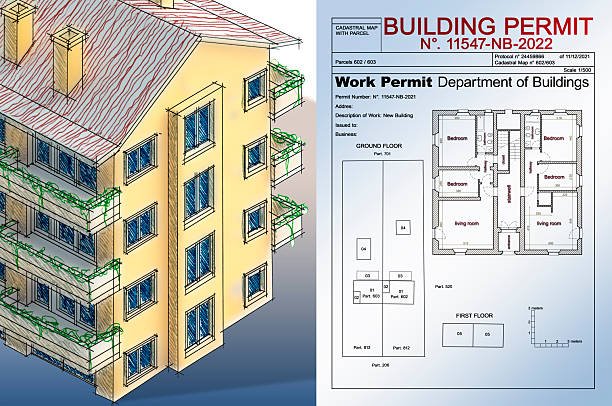
Permits and legal fees are frequently referred to within the industry as soft costs, and they cover the administrative and paperwork-related side of a construction project. You must finalize these tasks before physical construction begins.
Permit Costs
Most permit fees are a percentage of the total project value. Local city offices use a sliding scale to set these costs. Big remodeling jobs cost much more than small, simple home repairs. Some cities add extra fees to pay for roads and schools. Wait times for permit approvals can slow down your entire project. Busy cities often have very long lines at their office windows.
Compliance Costs
Compliance costs cover all the rules you must follow for safety. This includes city building codes and rules for earthquake zones. Coastal areas have special rules for houses built near the water. Homes in flood zones often need stronger foundations and special materials. These extra steps help keep buildings safe during bad weather events. Following these laws is necessary to finish any legal construction project.
- A house located within a designated flood zone, for instance, often needs extra foundation work and flood-resistant construction materials.
- Soil conditions play an important role in compliance costs as well, since soft or shifting soil often requires significantly deeper foundation footings to meet local safety standards.
These regulations exist primarily to protect public safety, but they also add real, measurable costs to the overall project estimate.
Inspection Fees
Inspection fees cover the cost of outside safety checks performed by certified inspectors at various stages throughout the construction process. Energy code compliance checks are one common example, alongside accessibility inspections and fire safety sign-offs required before a project can be considered complete. Postponing or neglecting a mandatory inspection can hold up an entire project for weeks and could lead to extra expenses if already finished work must be redone to comply with regulations.
Contingency and Risk Factors
Contingency and risk factors form what many estimators consider the true safety net of any construction budget, covering costs that simply cannot be predicted with complete accuracy in advance. Severe or unexpected weather is one common example of this kind of risk, while an unmarked underground pipe discovered mid-excavation is another. A construction budget lacking a financial cushion is merely an estimate, not a formal plan.
Unexpected Issues
Unexpected issues have the potential to bring an entire project to a halt very quickly once they surface on-site.
- Weather-related delays represent one common category of risk, while hidden site conditions and supply chain disruptions each represent additional categories that estimators must plan for.
- A crew that unexpectedly encounters buried rock during excavation may suddenly require additional heavy equipment along with several extra days of labor to complete the work.
- A single missing component or material can end up delaying an entire phase of an otherwise well-planned construction project.
Contingency Budgeting
Contingency budgeting involves setting aside a dedicated portion of funds specifically to cover unexpected costs that arise once a project is already underway. Industry-wide ranges for contingency funds generally run anywhere from two percent to ten percent of the total project budget. The table below outlines three common types of contingency funding used across most construction projects today.
| Contingency Type | Definition | Typical Range |
| Design Contingency | For items missing or undefined during the design phase | 2-5% |
| Contractor / Construction Contingency | For unforeseen site conditions, minor errors, or coordination issues | 3-8% |
| Owner Contingency | Reserved for major scope changes or unforeseen legal and permitting roadblocks | 5-10% |
How to Prevent Construction Budget Overruns?
Careful planning stops budget problems before your construction work even begins. Follow these proven industry habits to keep your costs under control.
Plan Before You Build
Break your project into small, priced tasks to avoid missing items. Define exactly what the project includes to stop later budget surprises. List all site problems and deadlines early to get real costs.
Use the Right People and Tools
Talk to your contractors early to get true price estimates. Ask pros to check difficult or unusual parts of your budget. Use clear math and measurements instead of just guessing the price. Connect your project tools to your accounting to track spending daily.
Stay Flexible and Communicate
Add a money buffer for risks like weather or design changes. Check and update your budget numbers at set times every week. Write down every guess you make and check it with facts. Tell owners and crews about cost changes as soon as possible. Compare your final costs to your early plans to improve future work.
Turning Cost Estimates Into Construction Budgets That Actually Hold
From groundbreaking to the final walkthrough, every successful construction project ultimately depends on converting a thorough cost estimate into a budget that the entire team can rely on and adhere to. Owners and contractors have a far stronger foundation for wise decision-making when they comprehend how scope, materials, labor, permits, and risk interact to shape that number. There will always be some degree of fluctuation due to local conditions, but a budget based on precise data and trustworthy estimation techniques can handle these variations without interfering with the project. Teams seeking extra support with these calculations can turn to professional building estimating services to help refine quantity takeoffs, verify pricing, and keep each project phase in line with the original financial plan.
Frequently Asked Questions
What is a quantity takeoff in construction estimating?
A quantity takeoff calculates the exact amount of material a project requires, covering lumber, concrete, and fasteners, before estimators add a waste factor to account for cuts and scrap.
What is meant by a fully burdened labor rate?
The basic salary of an employee plus payroll taxes, insurance, and benefits make up a fully burdened labor rate, which gives estimators the true hourly cost of hiring skilled trade workers on-site.
What does a construction contract’s escalation clause mean?
An escalation provision protects both the contractor and the project owner by allowing contract pricing to adjust if material costs, such as those of steel or lumber, rise above a predetermined threshold.
What is the difference between design, construction, and owner contingency?
Design contingency covers undefined design items, construction contingency covers unforeseen site conditions, and owner contingency covers major scope changes or unexpected permitting and legal complications throughout the entire construction project.
Why do estimators apply a waste factor to material quantities?
Estimators apply a waste factor because actual material usage on site always exceeds raw plan measurements due to cuts, damaged pieces, and pattern matching, ensuring crews never run short.
