
Every contractor is familiar with the gut punch: you have won a demolition bid, the excavator comes to life on Day 1 and on Day 5, you are looking at a landfill bill that is gouging your margin. This is what demolition appears to be. Shake the machine, beat it down and pull it away. But savvy estimators understand that there is a lot more involved here and a lot more to pay out in case you miscalculate.
In construction, the demolition expenses are based upon a systematic formula. Knowing that model, the permit application and the last truck hauling debris are what make the profitable projects and the costly mistakes.
What Makes Demolition Costs Estimate Different from Other Construction Costs?
The majority of construction costs are predicted to go to materials and labor. This does not apply to demolition. It may cost between $8000 and $68,000 to demolish a building on the same 2000 square foot foundation. This is due to a number of reasons, ranging from the history of the building to what lies hidden behind its walls.
The industry practitioners divide the cost of demolition into two broad buckets that include pre-demolition costs and onsite demolition costs. Both have a considerable weight in the last figure. The absence of either of these in your estimation is how projects become over budget.
Pre-Demolition Costs: The Work Before the Work
When you choose to tear down a building, the clock begins to run on expenses and a wall is yet to be knocked down.
Permits and Municipal Compliance ($500–$50,000+)
The unavoidable entry fee is the permit. A demolition permit could be as low as a few hundred dollars in a small suburban municipality. The permit fee of a multistory commercial building in a large city such as New York City or Chicago is often more than $10,000. Other cities that do not support demolition occasionally charge extra fees so as to drive the owners towards renovation as an alternative. The local building department should be consulted before estimating this line item.
The cost of permits also varies depending on the complexity of the project. The mere demolition of a residential house causes an automatic permit. Engineering plans, site development drawings, environmental assessment and a certified rodent letter may be needed on a commercial building in a high-density urban area, which is mandatory before the permit office can approve.
Environmental Testing and Hazardous Material Surveys ($500–$10,000+)
Any structure erected before 1980 is a red flag. Federal law necessitates testing of asbestos preceding mechanical demolition on structures of the same period. The test alone is an expense and ranges between $500 and $2500, depending on the size of the building and the number of samples needed. When the test is positive, as in the case of pre-1980 buildings the costs frequently have a steep increase.
A remediation of asbestos will increase the demolition cost by an additional $2-$7 per square foot. The crumbling, airborne type of asbestos activates EPA measures and involves licensed hazmat contractors, proper containment, and certified disposal. A commercial building of 10,000 square feet that is heavily contaminated with asbestos may increase the project budget by $20,000-$70,000 before the excavator even sets foot on the construction site.
Pre-demolition line items commonly ignored by many estimators include lead paint testing, mold assessment and underground storage tank surveys. Each of them can add thousands in case of contamination.
Engineering and Structural Assessment ($1,500–$15,000)
Big or complicated structures are supposed to be evaluated by a licensed structural engineer before the demolition of the building. The engineer determines the way the structure is going to fall, the order of sequence in order to maintain the safety of the workers and other nearby structures and whether temporary shoring or stabilization is required initially. This report is an expensive one. However, omitting it on a complicated project poses OSHA liability and actual physical risk.
The Core Calculation of On-Site Demolition Costs
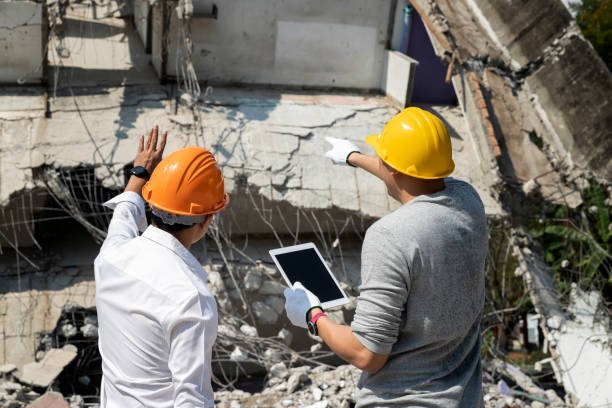
After taking care of pre-demolition measures, the physical work commences. Here is the bulk of the budget.
The Per-Square-Foot Model: How Contractors Price the Work
Demolition is almost universally priced by the construction industry based on a cost-per-square-foot basis. But the area is vast–and where your project falls in that area is a matter of particular variables.
| Structure Type | Typical Cost Per Square Foot in 2026 |
|---|---|
| Metal/Steel Frame | $2–$4/SF |
| Wood Frame (Residential) | $4–$8/SF |
| Masonry/Brick | $7–$12/SF |
| Reinforced Concrete | $10–$18/SF |
| Commercial (General) | $4–$25/SF |
| Manual Deconstruction | $20–$30/SF |
These figures presuppose mechanical excavation with usual excavation equipment. The manual deconstruction team disassembles the building by hand to recover materials, which is at the high end of that scale as the number of labor hours multiplies many times.
Structure Type: The Biggest Single Cost Driver
Metal structures are the contractor’s dream project. Steel and iron have genuine recycling value. Once the building comes down, the contractor sells the metal to a recycler, which offsets disposal costs substantially. A metal-framed warehouse demolition at $2–$4/SF reflects this salvage offset. Equipment can knock down I-beam frames efficiently, and the structural skin comes off cleanly.
Wood-framed buildings, the majority of residential homes and low-rise apartment buildings fall in the mid-range. Wood has no recycling value. Landfills classify mixed wood debris as construction waste, which commands the highest disposal rates. Because crews cannot compact mixed wood efficiently, it takes more truckloads to haul it off, and more truck loads means more tipping fees. A standard three-bedroom house demolition runs $4–$8 per square foot, not counting hazardous material surprises.
Masonry and brick structures hit the highest end of standard demolition pricing. Brick has minimal disposal options. Recycled-brick markets exist but sorting usable brick from rubble by hand costs labor. The sheer density of masonry creates enormous debris tonnage, which drives landfill fees up. Budget $7–$12/SF as a baseline for brick buildings before adding any surcharges.
Reinforced concrete structures such as parking garages, industrial facilities, and foundations, require specialized equipment. Hydraulic crushers and concrete pulverizers break the material down, but the processing takes time and diesel. Concrete can be recycled as aggregate, which helps offset some disposal costs but the equipment overhead keeps pricing high at $10–$18/SF.
The Hidden Cost Formula: What Actually Drives Your Final Number
Smart Constructs estimators don’t just multiply square footage by a rate. They build the cost from the ground up using five specific variables.
1. Labor Costs
Labor typically represents 25-40% of total demolition cost. Crew size, local wage rates, union vs. non-union labor markets and project duration all affect this number. Urban markets in the Northeast carry significantly higher labor costs than rural Southeast markets.
2. Equipment Costs
The excavator is the most visible cost, but it’s one of several. Equipment line items for a standard demolition project include:
- Excavator rental or ownership allocation: $800–$2500/day
- Skid steer or loader: $350–$800/day
- Dump trucks often 3-6 trucks per project: $500–$1200/truck/day
- Concrete pulverizer attachment: $500–$1500/day if needed
Equipment costs scale directly with project duration. A crew that runs a week over schedule on a 30-day project faces a 25% increase in equipment costs. Tight scheduling discipline protects margins.
3. Landfill Tipping Fees
This line item surprises more contractors than any other. Tipping fees which landfills charge to accept debris by weight, have risen sharply. The 2026 national average sits around $62 per ton but regional variation is dramatic:
| US Region | 2026 Average Tipping Fee (Per Ton) |
|---|---|
| Northeast | $84/ton |
| Pacific Coast | $62/ton |
| Midwest | $57/ton |
| South Central | $45/ton |
| Southeast | $43/ton |
A 2,000-square-foot wood-frame house generates roughly 50–90 tons of debris. At Northeast tipping rates are $4,200–$7,500 in disposal fees alone before you add transportation costs to the landfill. Always check current local tipping fees before finalizing a bid.
4. Debris Hauling and Transportation
Distance from the job site to the landfill matters. A demolition project with a landfill 5 miles away faces very different hauling costs than one 45 miles out. Fuel costs, driver time, and truck capacity per load all compound. Estimate round-trip truck runs and multiply by your local rate — never assume a flat number here.
5. Site Conditions and Access
Tight urban sites create serious cost multipliers. If equipment cannot maneuver freely, productivity drops and labor hours increase. Working next to occupied buildings requires hand-demolition buffers. Street closures need permits. Overhead utility lines require coordination with the utility company before work begins.
This is further emphasized by high-rise buildings where the sequence becomes more complicated depending on the height of the building. This technique is used when a building is extremely large or has unique positioning. It comes at a cost often starting from around $250000.
Salvage Value: The Credit That Offsets Costs
Here’s what most demolition cost guides skip entirely: salvage value can meaningfully reduce your net cost.
Metal structures generate real scrap revenue. At current market rates, structural steel returns $150-$350 per ton. A large steel-framed building with 200 tons of recyclable metal generates $30,000-$70,000 in salvage credit against disposal costs.
Salvage opportunities are provided even on non-metal buildings. The secondary market value of copper wiring and plumbing, operating HVAC equipment, hardwood flooring, old-fashioned fixtures, and preserved timber beams. Targeted deconstruction targets high-value salvageable materials before the onset of mechanical demolition then recovers cost by reselling.
Salvage estimates are constructed in the bids by contractors who provide better prices. Owners with a clue of the salvage value negotiate more favorable contracts.
How to Read a Demolition Quote: What the Line Items Mean
When presented with a quote by a demolition contractor, you should learn to read it to avoid any unpleasant surprises. The complete quote of a professional quote contains:
- Mobilization/demobilization: Equipment transport to and from the site
- Pre demolition survey: Asbestos and hazardous material inspection
- Permit acquisition: Cost and administrative time
- Selective demolition: Hand work to protect adjacent structures or salvage materials
- Mechanical demolition: Main structure teardown
- Debris sorting and segregation: Separating recyclables from waste
- Hauling: Number of estimated loads, landfill distance
- Tipping fees: Based on estimated tonnage and current local rates
- Site grading and cleanup: Final condition of the lot after clearance
- Contingency: Professional quotes are subject to a 5-15% contingency due to any undetermined hazardous materials or structural difficulties.
A quote that condenses all these in one number without breaking it down into lines is a warning sign. Without line-item transparency, you cannot accurately compare quotes.
Urban vs. Rural Demolition Costs: Why Geography Changes Everything
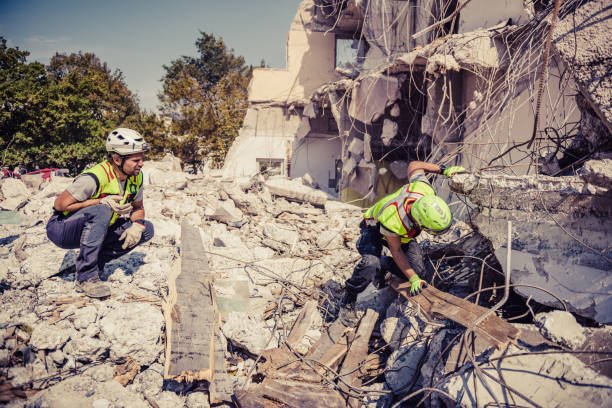
The least significant variable in demolition pricing is location. The price of destruction in urban areas is 30 to 80% more than the same undertaking in rural or suburban areas. The drivers are:
- Increased labour charges and union demands.
- Tougher permitting procedures with extended approval periods.
- Less access to equipment, with slower but smaller machines.
- Increased tipping rates of landfills in congested metro regions.
- Noise and work-hour limitations that stretch out projects.
- Prerequisite of adjacent structure protection plans.
A 5000 square foot commercial structure in downtown Atlanta and the same in rural Georgia could have vastly different demolition budgets. Always localize cost data.
The Role of Professional Demolition Estimating Services
Proper demolition pricing is no guess. In complicated business ventures, multi-structure sites or any project that involves dangerous materials, professional Demolition Estimating Services provide the accuracy that safeguards your budget and your bid.
Every project is accompanied by professional estimators who bring along current local labor rates, up-to-date databases of landfill tipping fees, material quantity takeoffs, equipment hour calculations and contingency modeling. They pick up the latent costs – asbestos testing, structural stabilization, utility disconnection fees and traffic control not reflected in informal estimates. An expert estimate is only a small percentage of an underestimated line item that would occur during the project.
The payback of professional estimating is much greater than the expenditure of contractors who are expanding their business and undertaking more extensive and complex projects.
2026 Benchmark Numbers: What Real Projects Cost Today
To base all this in actual numbers, below is the range of costs of demolition projects in 2026 of various sizes and types of projects:
| Project Type | Typical Size | Estimated Total Cost (2026) |
|---|---|---|
| Small Residential House | 1,000–1,500 SF | $6,000–$25,000 |
| Mid-Size Residential House | 2,000–3,000 SF | $12,000–$51,000 |
| Small Commercial Building | 5,000–10,000 SF | $40,000–$120,000 |
| Mid-Size Commercial | 10,000–20,000 SF | $120,000–$360,000 |
| Large Industrial Facility | 50,000+ SF | $1,250,000+ |
These numbers are based on normal mechanical demolition in the absence of large amounts of hazardous materials. Subtract 15-40% abatement of asbestos, assessing urban or structural complexity.
Common Mistakes That Blow Demolition Budgets
These mistakes are still committed by experienced contractors. They are always made by newer teams.
Underestimating Debris Tonnage
Masonry and concrete are always undervalued by estimators. The weight of concrete is about 150 pounds per ft. Even a 20 cubic yards miscount translates to thousands of dollars in landfill bills.
Ignoring Local Tipping Fees
The systematic underestimates in high-cost areas are caused by the use of a national average rather than a check of current local rates.
Skipping The Hazardous Material Survey
The test can be bought for a few hundred dollars. Locating asbestos during the middle of the project, once the mechanical demolition has already commenced, is significantly higher in costs of removal, compliance with regulations and project delays.
Not Building In Equipment Idle Time
Weather delays, permit hold, and utility coordination necessitate equipment to be on site. Seating is an expensive item. Create a blank time in the schedule.
Forgetting Site Restoration
A lot of contracts state the condition in which the lot must be left after demolition, it may be graded or compacted, or it may be clean fill needed in case a basement is excavated. Losing this in the bid becomes a nightmare when it comes to project closure in the negotiation.
Final Takeaway: Build the Number, Don’t Guess It
Demolition is based on logic. There are variables to that logic structure type, materials, location, hazardous content, equipment, and disposal but all those variables are measurable prior to the first machine coming. Projects exceed the budget due to the lack of steps in the estimation, the presence of averages, and the inability to check the existing local information.
The project owners and contractors who continue to deliver on their numbers treat the task of calculating the cost of demolition as a science: scope it fully, price all the variables with up-to-date local information, and allow a contingency to cover the unknowns. When the project is complex enough, the contractor or project owner uses professional estimating support.
The destruction is 10% and the cost management is 90%. Get the math and the project works on your terms.
Need an accurate and professional demolition estimate for your next project? Explore our demolition estimating services and get numbers you can build a bid on at Smart Construct.
FAQs
What is the cost of demolition per square foot in 2026?
The cost of demolition per square foot is quite varied, based on the type of structure. Metal and steel frame buildings cost between 2-4/SF. Wood-framed residential houses range between 4-8/SF. Masonry and brick buildings are priced at $7-12/SF. Reinforced concrete ranges between 10-18/SF. Depending on size and complexity, commercial projects are between $4-25/SF. Manual deconstruction drives up costs to $20-30/SF.
What are the contents of a demolition cost estimate?
Full demolition estimate includes permit, hazardous material surveys (asbestos and lead paint testing), equipment mobilization, mechanical demolition, sorting of the debris, hauling, landfill tipping, and site grading and a 5-15% contingency buffer. Any quote that does not separate them into distinct line items is virtually impossible to compare costs correctly.
Does asbestos necessarily make demolition more expensive?
Yes, always. Any pre-1980 building that undergoes mechanical demolition must undergo mandatory asbestos testing before the mechanical demolition process starts. The test alone costs $500–$2,500. Abatement may increase the cost of demolition by $2-7 per square foot over the normal demolition expenses in case of asbestos. On a 10,000-square-foot building, it could be a possible 20,000-70,000 extra charge before the excavator even comes into contact with the building.
What has the greatest influence on the overall cost of demolition?
Six variables have the greatest impact on the cost of demolition: type of building material (metal, wood, concrete), size and square footage of the structure, the geographic location and local labor rates, the presence of hazardous materials, the cost of landfill tipping in the area of the project, and accessibility of the site. The cost of urban projects is 30-80% higher than that of similar projects in rural areas owing to the permitting, restrictions of access and the labor markets.
Could salvage materials save on my demolition expenses?
Absolutely. Directly opposite to the disposal costs is the salvage value. At present scrap prices, structural steel brings in $150-350 per ton. A 200 tons of recyclable metal in a large steel frame building will yield salvage credit of $30,000-70,000. Even the non-metal buildings are worth something because of copper wiring, hardwood floors, a working HVAC system and the old-fashioned fixtures. Contractors who consider the salvage in their bids have a better competitive price and owners who know that better negotiate better contracts.
